October 30, 2026
Choosing artificial turf for your property is a significant decision that involves various factors to ensure the best outcome. More homeowners are considering artificial turf as a viable alternative to natural grass due to its aesthetic appeal and potential for reduced maintenance. However, making an informed decision requires a thorough understanding of different aspects that come into play. From cost analysis to environmental considerations, each factor can significantly affect both the immediate appearance and long-term viability of your outdoor space. Careful evaluation of materials, installation requirements, and long-term upkeep guarantees a smooth transition to a durable, low-maintenance lawn. Understanding these key elements allows property owners to select synthetic grass options that align perfectly with their aesthetic preferences, functional demands, and financial goals.
Evaluating Financial Factors
The initial investment in artificial turf installations is often higher than that for natural grass, primarily due to material costs and professional setup expenses. According to Lawn Love, artificial turf typically comes in rolls five to fifteen feet wide, and you purchase the length you need. Depending on the quality and features chosen, the price per square foot varies widely. Higher-grade turfs designed for heavy foot traffic or specific aesthetic features cost more initially, but they offer enhanced durability. Understanding this trade-off is crucial for homeowners who are budgeting for a long-term property solution.
While the upfront cost of artificial turf installations might be steep, the long-term savings can be substantial over time. Maintenance tasks required for natural grass, such as watering, mowing, fertilizing, and pest control, are virtually eliminated with synthetic alternatives. Over time, these reduced water and utility bills can offset the initial expenditure, making turf a cost-effective choice for many. Furthermore, artificial turf installations generally come with warranties ranging from 8 to 15 years, providing long-term reliability and protecting property owners against unexpected expenses.
A comprehensive cost breakdown must also factor in recurring natural lawn expenses such as lawnmower fuel, equipment maintenance, aeration, and professional landscaping services. When calculated across a ten- to fifteen-year window, the cumulative cost of maintaining traditional sod frequently exceeds the complete purchase and installation cost of synthetic turf. Additionally, property owners in areas with water restrictions or escalating utility rates experience accelerated return on investment through immediate, drastic reductions in monthly water consumption.
Selecting Synthetic Materials
Nylon artificial turf is widely chosen for its superior durability and resilience, particularly in areas with heavy foot traffic or intense sunlight. This material holds up exceptionally well under duress compared to other synthetic fibers, maintaining its shape despite consistent use. Polypropylene offers a more cost-effective choice, making it favorable for low-traffic decorative applications despite lacking extreme heat resistance. Polyethylene balances a soft texture with a vibrant color, offering a natural feel for residential yards, while hybrid blends combine multiple fibers for customized strength and visual appeal.
Selecting the right blade structure and fiber material also involves evaluating how the lawn will be used daily. For homes with energetic pets or children, polyethylene and hybrid blends offer non-abrasive textures that remain soft to the touch while resisting heavy wear. Commercial properties or dedicated athletic zones often prioritize nylon's rigid memory structure, which bounces back instantly after heavy compression. Understanding the distinct physical characteristics of each polymer ensures the turf you have chosen performs optimally under your specific everyday conditions.
Evaluating the environmental impact of artificial turf materials is an essential component of a holistic decision-making process. While some synthetic materials are recyclable, not all types of turf offer equal eco-friendly benefits. Manufacturing processes, emissions, and end-of-life disposal all contribute to the overall carbon footprint of these products. Eco-conscious homeowners should actively look for manufacturers that utilize sustainable production methods, integrate recycled content, or provide clear end-of-life recycling programs to mitigate environmental concerns.
Understanding Setup Procedures
Proper site preparation is crucial for ensuring the longevity and performance of artificial turf installations. This process involves clearing existing vegetation, topsoil, debris, and rocks to lay out a clean, level surface. The base layer construction follows, requiring a compacted aggregate sub-base like crushed stone, decomposed granite, or gravel. Proper compaction and grading prevent water from collecting beneath the surface, ensuring the lawn remains smooth, level, and stable over many years of continuous use.
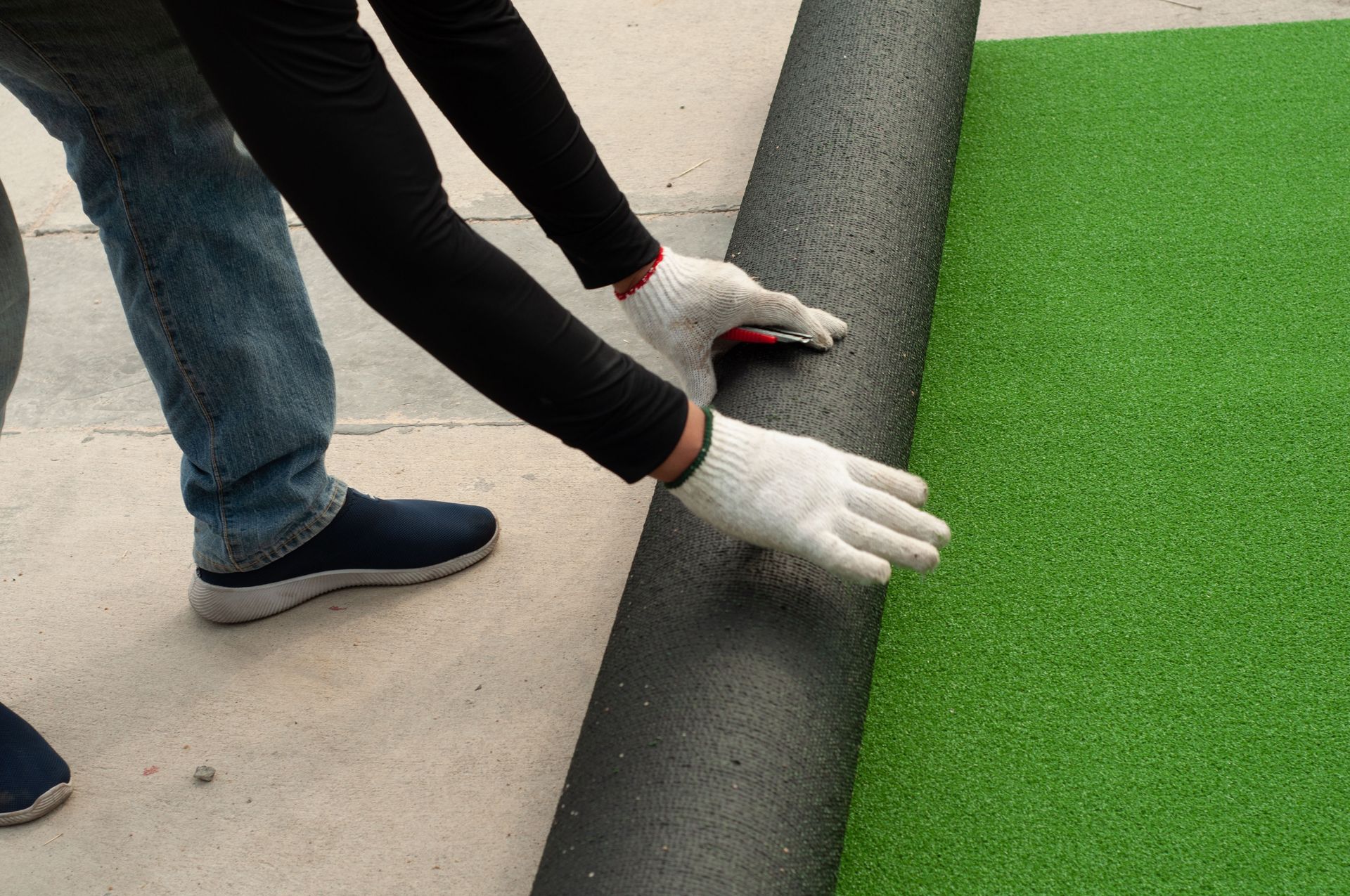
Laying synthetic grass involves rolling out the turf carefully and securing seamless coverage across the entire prepped area. Installers connect adjacent rolls using specialized adhesives and seam tape, preventing visible lines or safety hazards. Perimeter anchoring with tacks or stakes keeps the surface taut against shifting weather conditions. Proper attention to grain direction during this phase is vital, as aligning all rolls in the same direction ensures a uniform color tone and authentic appearance across the entire yard.
While a DIY approach may seem budget-friendly, professional artificial turf installations guarantee seamless bonding, optimal grain alignment, efficient sub-base compaction, and lasting structural integrity backed by work warranties. Experienced installation crews possess specialized equipment needed to stretch, trim, seam, and infill large sections without creating dangerous wrinkles or visible seams. Investing in professional installation eliminates expensive trial-and-error mistakes and ensures your synthetic lawn performs as intended for its entire lifespan.
Balancing Aesthetic Features
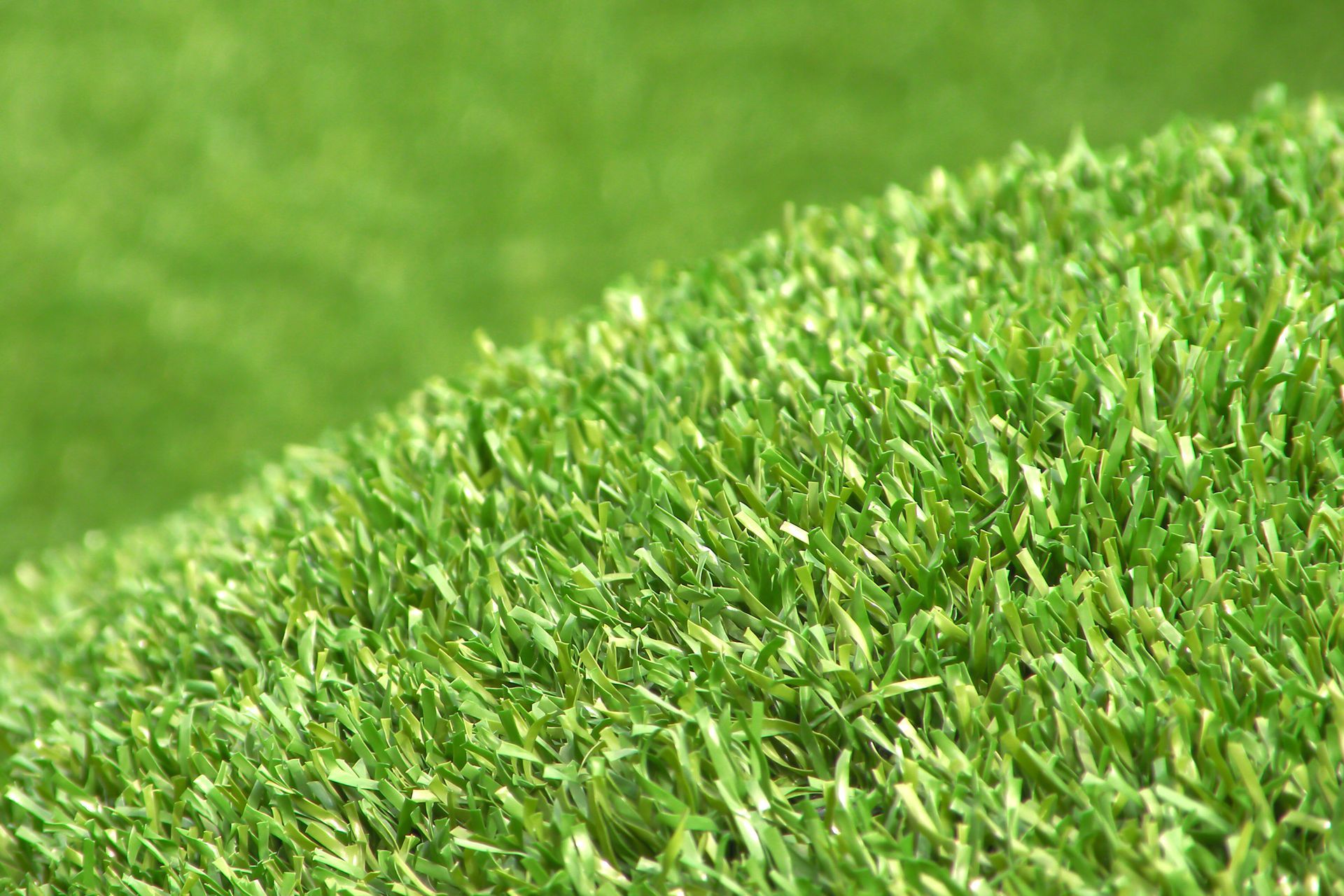
Artificial turf comes in a wide array of colors, from vibrant summer greens to muted winter shades that mimic seasonal lawns. Selecting the right color enhances the curb appeal and visual warmth of any outdoor living space. Furthermore, the texture and blade height influence how the surface feels underfoot. Softer polyethylene fibers provide a comfortable cushion for barefoot walking, making them ideal for households with children or pets, while shorter pile heights offer increased durability for high-traffic zones.
The thatch layer, the short, curled fibers woven into the base of the turf blades, plays a pivotal role in creating a realistic appearance. High-quality turf products incorporate multi-toned tan and green thatch to replicate the natural dead grass layer found in living lawns. Matching pile height and thatch density with your neighborhood's natural foliage helps synthetic lawns blend seamlessly into their surrounding environment, avoiding an unnaturally flat or artificial look.
Incorporating synthetic grass into your broader landscape design requires thoughtful blending with existing natural elements. Custom design options enable property owners to incorporate distinct shapes, contrasting borders, decorative stone pathways, or specialized athletic features into their layout. By harmonizing artificial turf installations with native trees, garden beds, and hardscapes, homeowners can achieve a cohesive, visually striking outdoor environment that elevates overall property value and personal enjoyment year-round.
Managing Ongoing Care
Keeping artificial turf clean ensures long-term longevity and visual appeal while limiting the build-up of organic debris. Hose rinsing removes dust, pollen, and light soil, while gentle brushing keeps individual fibers standing upright to prevent unsightly matting. Spills or pet stains should be addressed promptly by blotting and applying mild, eco-friendly detergents or vinegar solutions. Regular maintenance ensures the surface remains clean, vibrant, and completely free from persistent odors or structural degradation.
Infilling involves adding a layer of sand, silica, antimicrobial granules, or rubber bits to the surface to ensure proper weight distribution, blade support, and cushion. Regular checking and replenishment of infill prevents surface compaction, which could otherwise impair drainage and overall comfort. Maintaining correct infill levels also protects the primary backing of the turf from direct solar radiation, significantly extending the overall life of the synthetic lawn installation.
Choosing artificial turf provides an array of long-term benefits, from remarkable water conservation and lowered utility costs to consistent year-round curb appeal. By carefully analyzing initial expenses, selecting durable fiber materials, ensuring professional installation, and maintaining routine care, property owners can transform their landscapes into beautiful, low-maintenance retreats. Evaluating these key considerations empowers you to create an outdoor space that balances functional practicality with long-lasting aesthetic charm. For more information about the services that we offer, reach out to our incredible team at U.S. Tennis and Recreation today!