November 16, 2026
A bocce court can turn an underused part of a property into a space for recreation, social gatherings, and friendly competition. Although the game itself is simple, a dependable court requires careful planning. Site conditions, drainage, dimensions, materials, access, and maintenance all influence how well the finished court performs.
For homeowners, communities, clubs, and commercial properties in Southwest Florida, thoughtful bocce ball court construction should begin with a clear understanding of the property and how the court will be used. At U.S. Tennis & Recreation, we evaluate these details before construction so the finished space can support consistent play and fit naturally into the surrounding landscape.
Assess the Available Space Before Choosing a Court Size
Start by identifying how much usable space the property can realistically dedicate to the court. A regulation-size bocce court measures 13 feet wide by 91 feet long, but not every property needs a full regulation layout. Courts can be adjusted to fit available space while preserving practical proportions for enjoyable play.
The playing surface is only part of the area to consider. Players also need room to enter and leave the court, move around the ends, and gather nearby. Seating, landscaping, walkways, lighting, or other outdoor amenities may require additional space around the court.
Choose a Location That Supports Comfortable Use
Placement affects how often the court is used and how well it integrates with the property. Consider its distance from the house, clubhouse, patio, pool area, or other gathering spaces. A convenient location can make the court feel like a natural extension of the property's outdoor living or recreational area.
Sun exposure is another factor in Naples and throughout Southwest Florida. An open location may receive intense sun for much of the day, while nearby buildings or landscaping can provide shade. Also consider surrounding trees and vegetation.
Plan for Drainage Before Building the Playing Surface
Drainage is one of the most important considerations for an outdoor court in Florida. Heavy rain can quickly expose problems in grading or base preparation. If water collects on or around the playing area, the court may become unavailable after storms and the surface can require additional maintenance.
Proper bocce ball court construction begins below the visible playing surface. Grading, base preparation, and drainage need to work together so water can move away appropriately.
U.S. Tennis & Recreation evaluates site conditions before installation and builds bocce courts with drainage and leveling in mind. Addressing water management at the beginning is easier than correcting a poorly draining court after the surrounding area is complete.
Decide Which Surface Fits the Way You Want to Play
Bocce can be played on different surfaces, and material selection influences ball speed, roll, maintenance, appearance, and weather response. The right option depends on whether the court is intended for casual backyard games, frequent community use, competitive play, or a commercial recreational amenity.
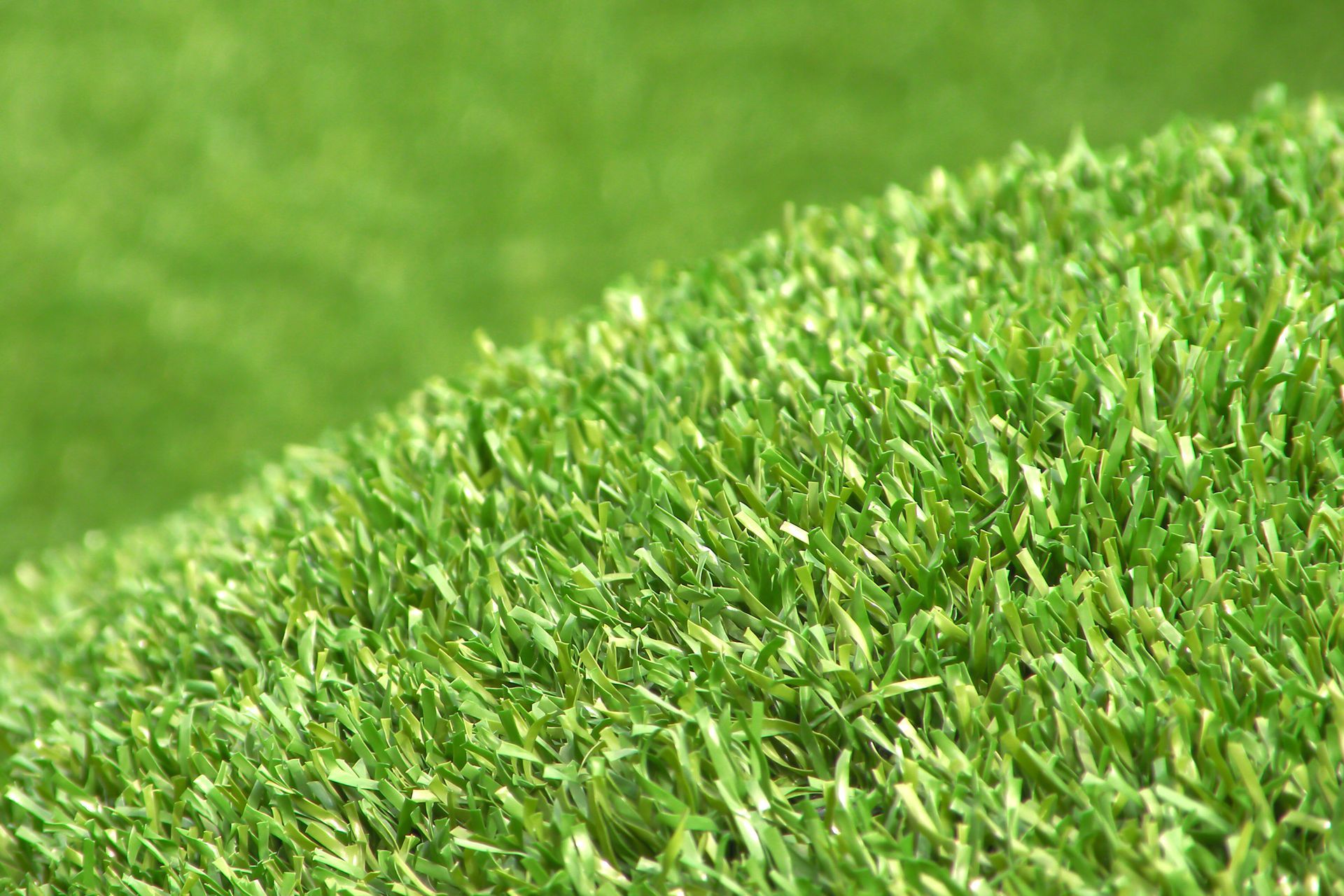
Surface decisions should also reflect the amount of maintenance the owner is prepared to perform. Some materials may require periodic leveling or replenishment, while synthetic options may appeal to owners who prefer a more uniform appearance and different maintenance routine.
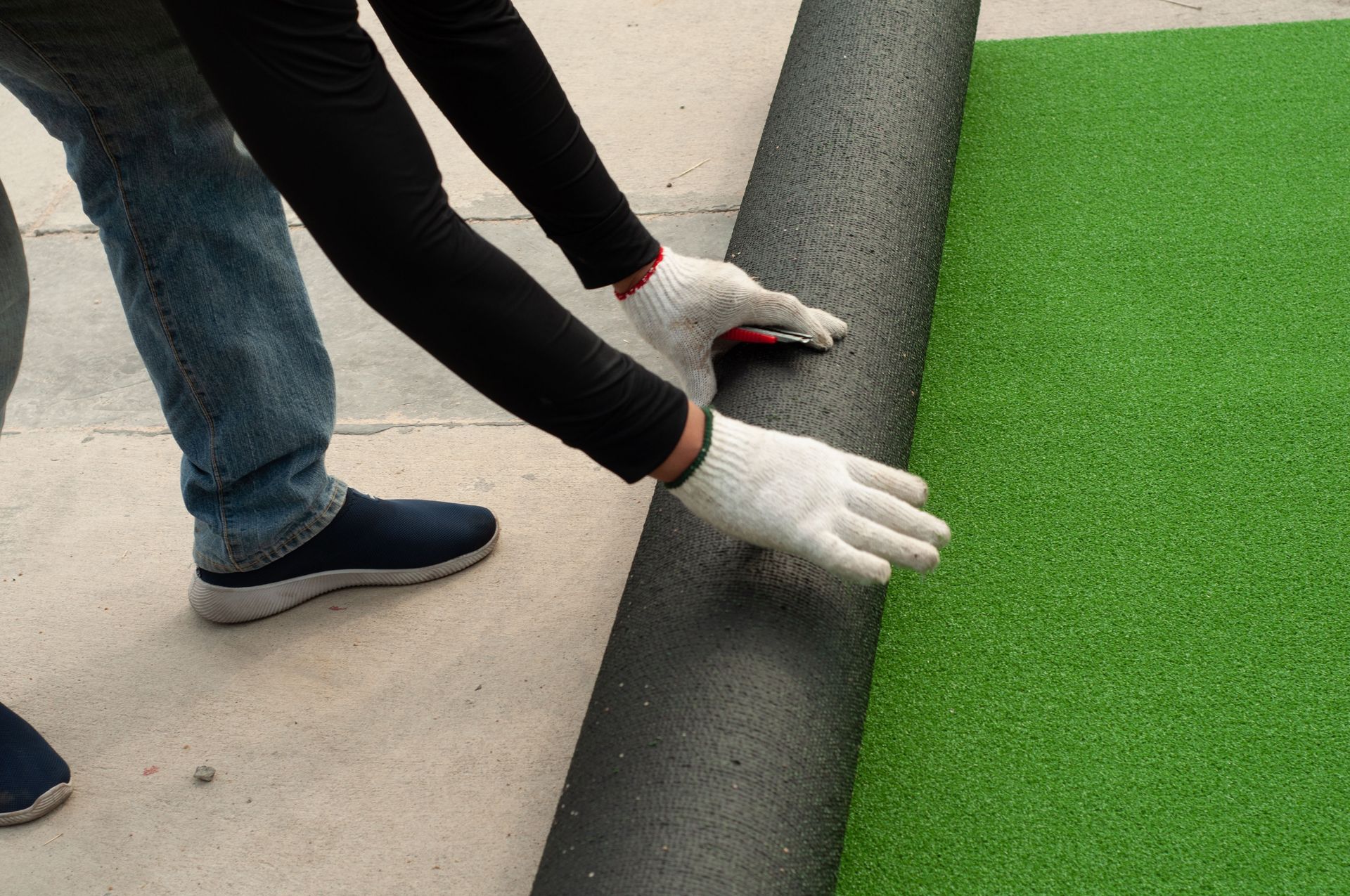
According to Lawn Love, artificial turf typically comes in rolls 5, 7, 10, or 15 feet wide, and purchasers buy the length they need.
Account for the Base Beneath the Finished Surface
The visible surface gets most of the attention, but the base underneath it has a major effect on long-term performance. An inadequately prepared foundation can contribute to settling, uneven areas, drainage problems, and inconsistent ball roll.
The existing ground should be evaluated before construction begins. Soil conditions, grading, roots, buried features, and nearby drainage can influence site preparation.
This is one reason professional bocce ball court construction involves more than installing the final playing material. Proper excavation, preparation, leveling, edging, and drainage help create the conditions needed for a court to remain functional through repeated use and seasonal weather.
Integrate the Court With the Rest of the Property
A bocce court can become a focal point rather than an isolated recreational feature. Its orientation, border materials, walkways, seating, and landscaping can help connect it visually with patios, gardens, pools, clubhouses, or other outdoor spaces.
Before construction, consider:
- Seating: Decide where players and spectators can gather without interfering with gameplay.
- Walkways: Create convenient access from the home, parking area, clubhouse, or other frequently used spaces.
- Lighting: Consider whether evening play is important and where lighting could fit into the overall plan.
- Landscaping: Choose surrounding plants that complement the court without creating excessive debris.
- Nearby amenities: Think about how the court relates to patios, outdoor kitchens, pools, or other recreational features.
Compare Residential and Commercial Use Requirements
A private backyard court and a community or commercial court may serve very different numbers of people. Residential owners may prioritize appearance, family play, and integration with landscaping. Communities, clubs, hospitality properties, and other commercial sites may need to consider heavier use, guest circulation, accessibility, seating, and maintenance schedules.
The intended audience should influence bocce ball court construction from the beginning. A court expected to host regular group play may benefit from different layout priorities than one used occasionally by a single household.
Prepare a Realistic Budget for the Complete Project
The cost of a bocce court depends on more than its length and width. Site preparation, excavation, grading, drainage, base materials, playing surface, borders, access, and optional features can all affect the project. A difficult location or significant site work may require a different investment than a clear, level area.
When comparing proposals, look at the complete scope rather than focusing only on the surface material. An estimate should help you understand what preparation and construction are included and whether surrounding improvements are part of the project.
Think About Maintenance Before Construction Begins
Every outdoor recreational surface needs some level of care. The amount and type of maintenance depend on the surface material, surrounding landscaping, drainage, weather exposure, and frequency of use. Understanding those requirements beforehand can prevent owners from choosing a system that does not match their expectations.
U.S. Tennis & Recreation notes that bocce court maintenance may include periodic leveling, weed control, and occasional replenishment of surface material, depending on the system installed. Artificial surfaces have different maintenance considerations, so the best choice should reflect how the property owner plans to care for the court.
Work With an Experienced Bocce Court Contractor
A professional contractor can also help coordinate the court with existing outdoor features and explain how site conditions may affect construction. That guidance makes it easier to compare options before committing to a layout or material system and helps ensure bocce ball court construction is planned around the property's actual conditions.
A well-built bocce court should look simple when it is finished, but achieving that result requires careful planning beneath the surface. Dimensions, grading, drainage, base preparation, edging, materials, and surrounding features all need to work together.
U.S. Tennis & Recreation has served Naples and surrounding communities for more than 25 years. Our licensed and insured team provides bocce ball court construction for residential and commercial properties, along with tennis courts, pickleball courts, artificial turf, athletic surfaces, and related recreational projects.
If you are considering adding a bocce court to your Southwest Florida property, contact U.S. Tennis & Recreation to discuss your site and goals. Our team can evaluate the available space, drainage, layout, surface options, and intended use before construction begins.