October 20, 2026
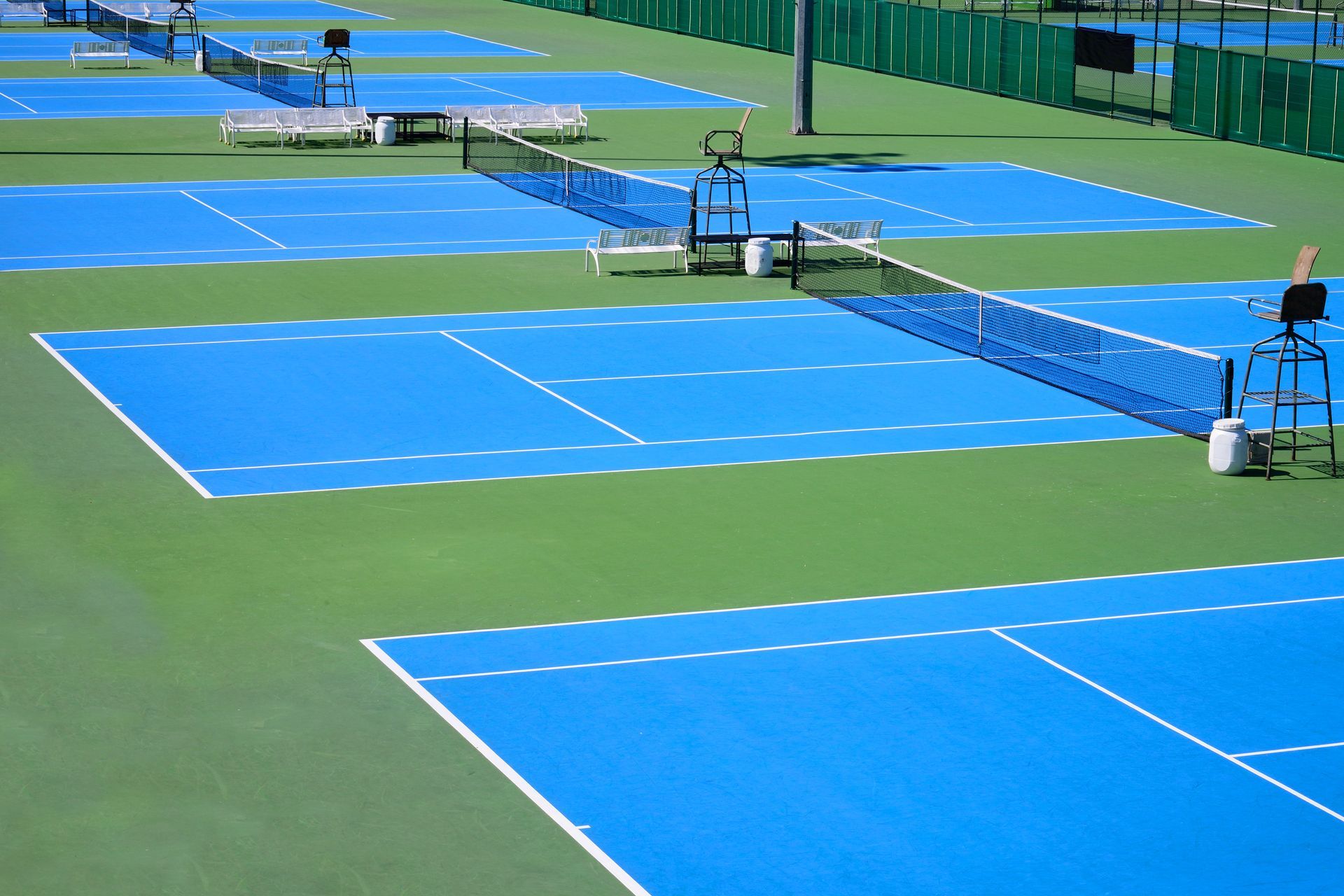
Court performance begins beneath every player’s feet. The playing surface affects how a ball moves, how quickly an athlete can react, and how confidently players change direction. For tennis and pickleball courts, a well-designed surface can help create consistent conditions from one point to the next while supporting comfortable, dependable play.
Quality turf can contribute to a more controlled court environment when it is selected and installed for the demands of the facility. Surface characteristics such as texture, resilience, drainage, and uniformity influence the way players experience the court. When those elements work together, athletes can focus more fully on technique and less on unexpected changes underfoot.
Consistency is particularly important for players with different experience levels. Beginners need a predictable footing as they learn movement patterns, while experienced competitors depend on a reliable court response when executing fast serves, returns, and transitions. A properly planned surface helps establish that consistency across the playing area.
Supporting Player Movement
Tennis and pickleball both require repeated starts, stops, lateral movements, and quick changes in direction. Players may move from one side of the court to the other within seconds, making traction and surface stability important parts of the overall playing experience.
A quality court surface should provide dependable contact without creating unnecessary resistance. Excessive slipperiness can make movement feel uncertain, while inconsistent areas may cause players to adjust their steps unexpectedly. A uniform turf surface supports smoother footwork and gives players greater confidence as they move through rallies.
Surface performance also matters during recreational play. Community courts often serve people with varied athletic backgrounds, ages, and mobility levels. Creating a predictable playing environment can make participation more comfortable and welcoming while helping facilities accommodate a broader range of players.
Enhancing Court Consistency
Uniformity is one of the most valuable qualities in any court. Small differences in surface texture or condition can affect movement, ball behavior, and overall play. These differences may become more noticeable with frequent use.
Turf systems designed for athletic applications can provide a consistent foundation when paired with appropriate court construction and professional installation. Its performance depends on more than appearance alone. Fiber characteristics, infill, base preparation, drainage, and installation methods can all contribute to how the finished court performs.
For facility owners, this means surface selection should be considered as part of the complete court system rather than as an isolated aesthetic decision. A surface that looks attractive but does not match the facility’s intended use may not provide the desired playing experience. Evaluating performance requirements early can help create a better long-term result.
Managing Moisture and Weather
Outdoor courts face changing conditions throughout the year. Rain, humidity, heat, and seasonal temperature changes can all influence how a recreational surface performs. In Florida and other warm-weather regions, moisture management is especially important for facilities that may experience frequent rainfall and high humidity.
Proper drainage helps move water away from the playing area, reducing interruptions after wet weather. When court construction, base preparation, and surface materials are properly coordinated, facilities can better manage the effects of changing conditions.
This consideration is particularly useful for busy tennis and pickleball venues. When several groups depend on the same courts, extended closures can affect schedules, programming, and player access. A professionally planned turf system can support more reliable use by addressing drainage and weather-related demands as part of the overall project.
Reducing Surface Disruptions
Court surfaces experience ongoing wear as players move, equipment is used, and weather affects outdoor facilities. High-use areas can gradually show signs of stress, especially when construction or materials are not suited to the demands placed on them.
Quality turf can help create a resilient playing environment, but durability should always be considered alongside the application. Tennis courts, pickleball courts, multipurpose recreation areas, and training spaces can have different performance requirements. Selecting materials according to use can help facilities maintain a more consistent surface over time.
Regular professional assessment also has value. Facility managers can identify changes in surface condition, drainage performance, or surrounding areas before minor concerns become larger disruptions. Planned maintenance supports the appearance and usability of the court while helping protect the investment made in the facility.
Improving Pickleball Experiences
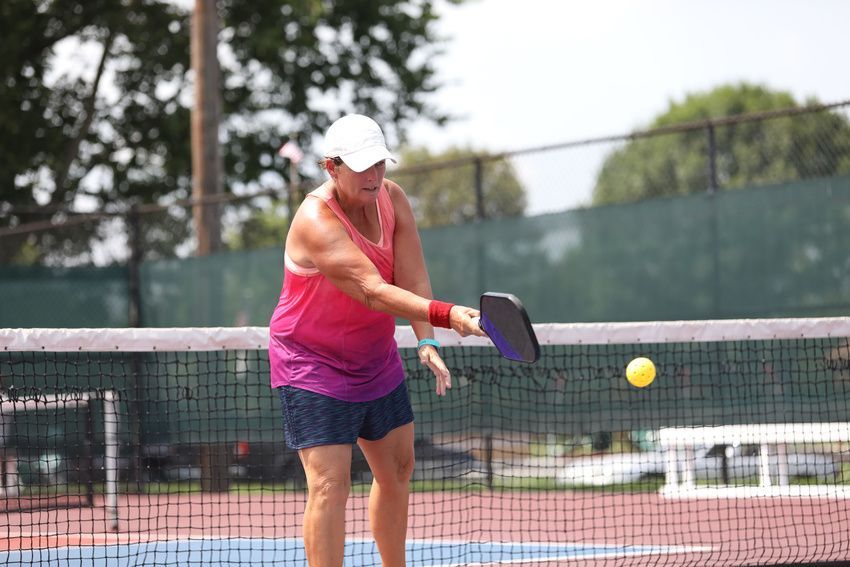
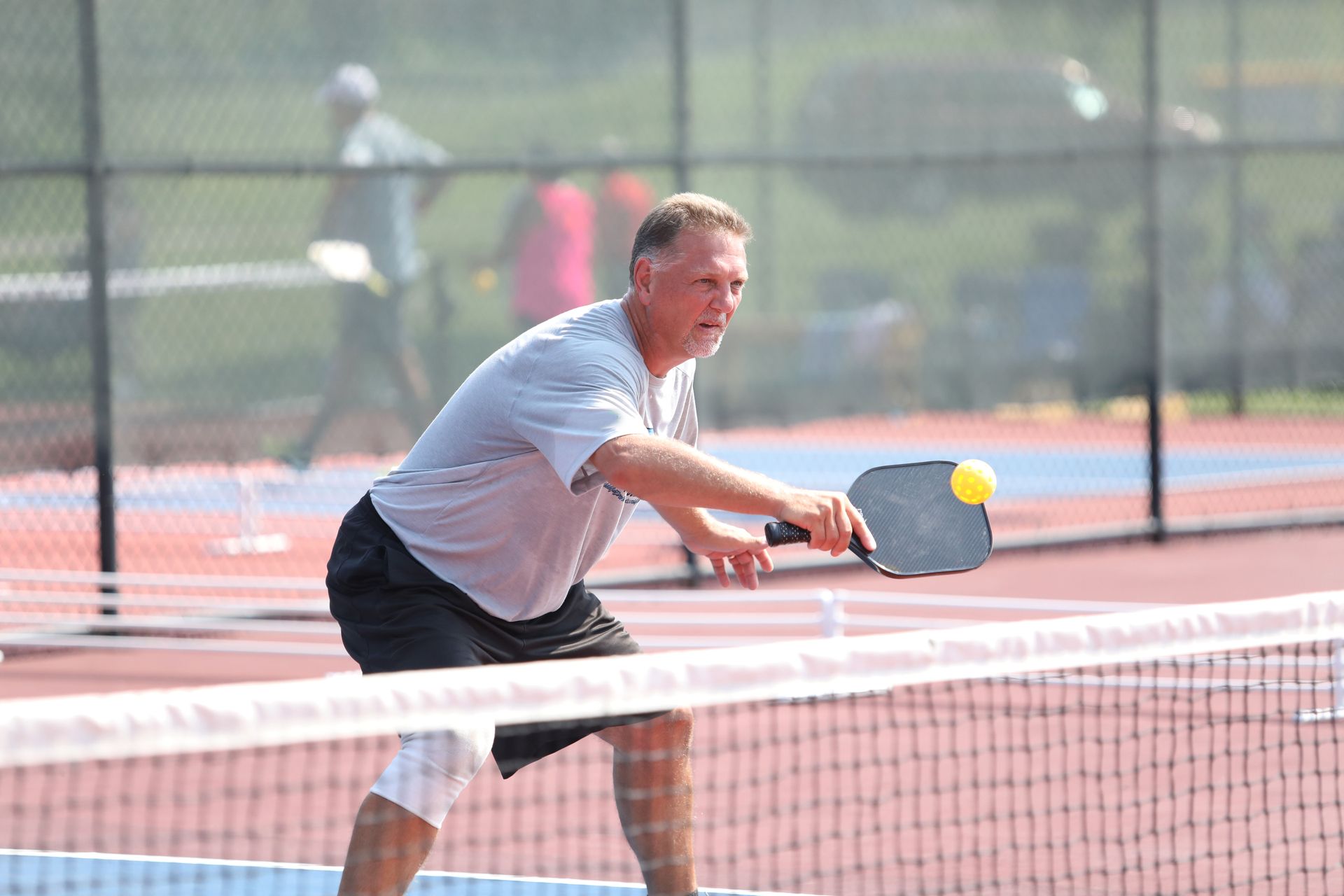
The growth of pickleball has increased attention on the quality and availability of courts. According to the Sports & Fitness Industry Association, pickleball participation grew by 158.6% over 3 years in its 2023 participation reporting. That growth illustrates why communities and facility operators continue to place greater emphasis on creating functional, welcoming places to play.
Pickleball places specific demands on court performance. The smaller court dimensions encourage rapid exchanges, while players frequently transition between forward, backward, and lateral movements. A predictable surface can help players establish consistent footwork and respond confidently during fast rallies.
For facilities adding pickleball courts or adapting recreational spaces, surface planning should account for intended use, traffic levels, drainage, and local weather. A well-executed court can support both casual games and more structured competition while creating an inviting environment for new participants.
Supporting Year-Round Court Use
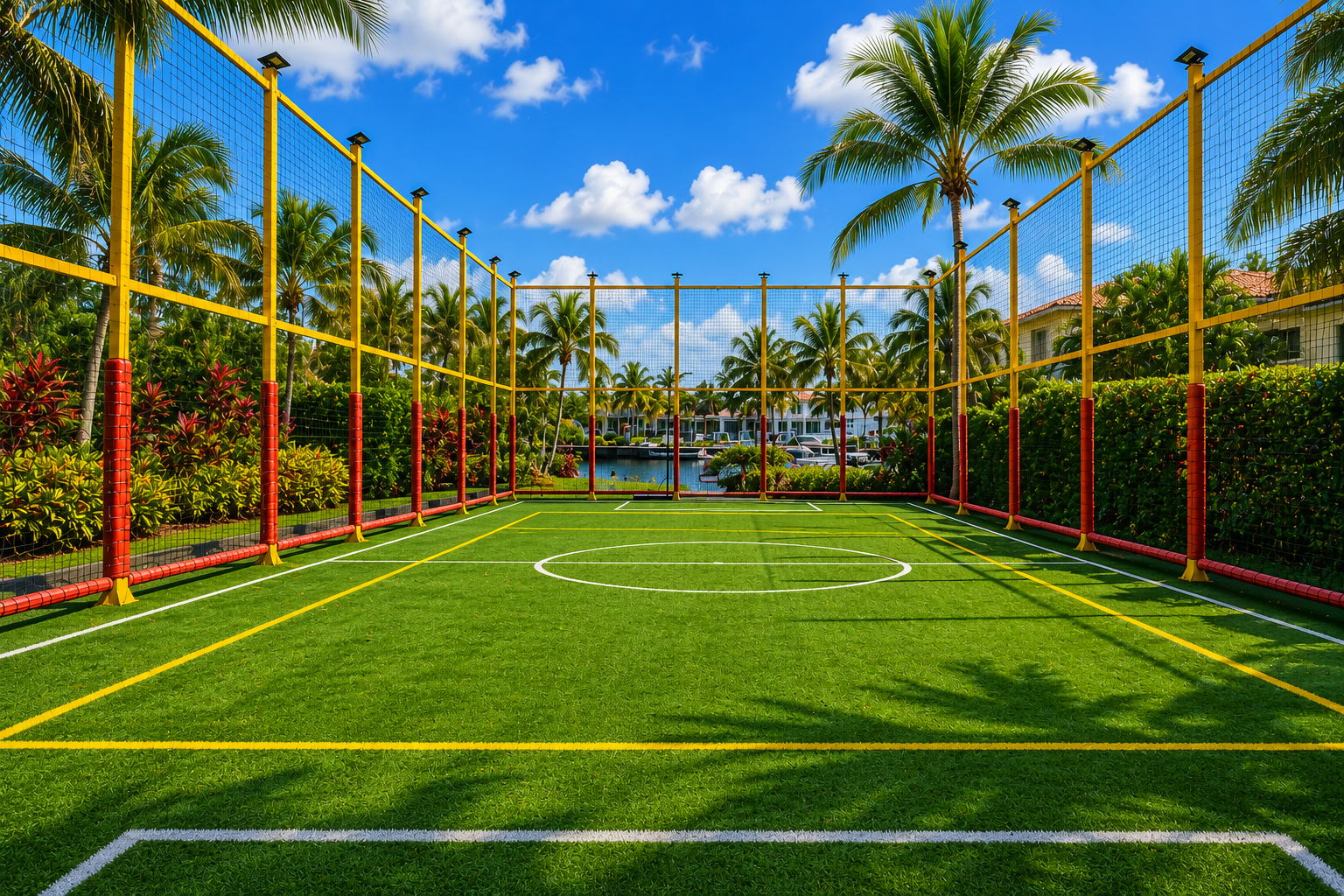
In regions with mild winters, outdoor recreation can continue through much of the year, making surface quality an important consideration for facility planning. Florida’s climate provides many opportunities for tennis and pickleball, but frequent sun exposure, rain, and humidity can place ongoing demands on outdoor courts.
A suitable turf system can help facilities maintain dependable playing conditions through seasonal changes. Shade, drainage, surrounding landscaping, and maintenance planning also influence how well a court performs over time. Considering these factors together creates a more complete approach to court design.
Year-round usability can benefit private clubs, residential communities, schools, parks, and recreation facilities. When courts remain attractive, comfortable, and functional, they can encourage more consistent participation and make better use of available recreational space.
Enhancing Facility Value
Court quality influences more than individual rallies. Well-maintained playing areas can contribute to the overall experience of a club, community, school, park, or recreation facility. Clean lines, consistent surfaces, appropriate drainage, and thoughtful construction can make courts easier and more enjoyable to use.
For property owners and facility managers, professional court work can also support long-term planning. The right materials and installation approach may reduce avoidable interruptions while helping the playing area remain suitable for its intended purpose.
The goal is not simply to create a visually appealing court. It is to establish a dependable recreational environment where players can move confidently, practice skills, and enjoy time on the court. Turf performance, construction quality, and ongoing care all contribute to that outcome.
Creating Better Playing Environments
A quality court brings together several performance factors. Consistent footing supports movement, appropriate surface characteristics influence play, and effective drainage helps address outdoor weather. When these elements are considered together, players can experience a court that feels dependable from one session to the next.
Professional planning is valuable when developing new courts or improving existing facilities. Experienced contractors can evaluate site conditions, intended sports, traffic expectations, and environmental factors before recommending a surface system. This process helps ensure the finished project is aligned with how the space will actually be used.
For Florida facilities, that planning can also account for local climate conditions and the demands of frequent outdoor recreation. Whether the court serves a neighborhood, club, school, or public facility, thoughtful construction can help create a durable and inviting place for people to stay active.
U.S. Tennis & Recreation provides professional court construction and surface solutions designed to support quality tennis and pickleball facilities. By considering performance, drainage, durability, and site needs, property owners can create courts that support enjoyable play and long-term use. Contact the company today to discuss your court project and create a playing environment built around your facility’s needs.