November 6, 2026
Choosing a surface for a sports court involves more than deciding how it should look. The right material affects player comfort, traction, ball response, maintenance requirements, and long-term durability. Whether you're planning a backyard recreation area, a community facility, or a dedicated athletic space, understanding your options helps you make a practical investment.
Every court has different requirements based on its intended activities, expected use, and surrounding environment. Climate, drainage, and available maintenance resources also influence which surface makes the most sense. Careful planning during outdoor sports court construction helps ensure the finished space supports enjoyable play and remains functional over time.
Evaluate the Intended Sports
The activities planned for a court should guide the surface selection process. Tennis, basketball, pickleball, and other recreational sports place different demands on playing areas. Some require consistent ball bounce, while others benefit from surfaces that support traction and comfortable movement. Understanding these differences helps narrow the available options.
Consider who will use the court and how they expect to play. A family recreation area may prioritize versatility and comfort, while a dedicated athletic facility may require more specialized performance characteristics. Discussing these needs with a qualified contractor helps identify materials suited to the intended activities.
The layout also matters when a court will accommodate multiple sports. Different games may require distinct markings, playing characteristics, and equipment arrangements. Selecting a compatible surface from the beginning can help create a versatile space without compromising the needs of its primary users.
During outdoor sports court construction, communicate your priorities before choosing materials. A contractor can explain the advantages and limitations of available surfaces and help determine which options support your goals.
Compare Available Surface Materials
Sports courts can feature materials such as asphalt, concrete, acrylic coatings, cushioned systems, and synthetic turf. Each option offers different characteristics involving traction, impact absorption, maintenance, and playing performance. Comparing these differences helps you understand which surface aligns with your expectations.
Hard surfaces can provide consistent playing conditions for activities that depend on predictable ball response. Acrylic coatings can add color and playing characteristics to an appropriate underlying court, while cushioned systems may provide additional comfort underfoot. The best choice depends on the sport, the existing base, and the performance you want to achieve.
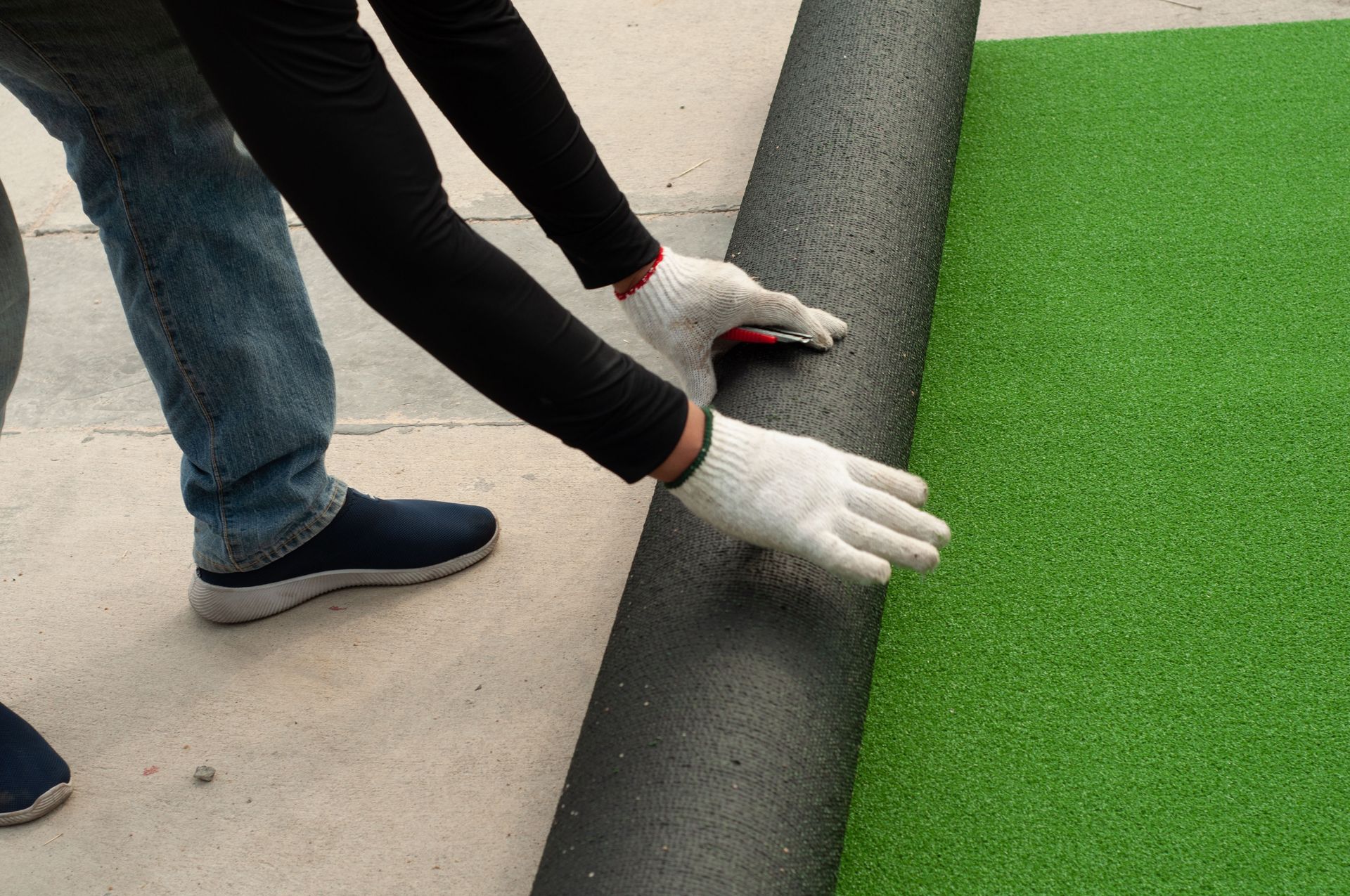
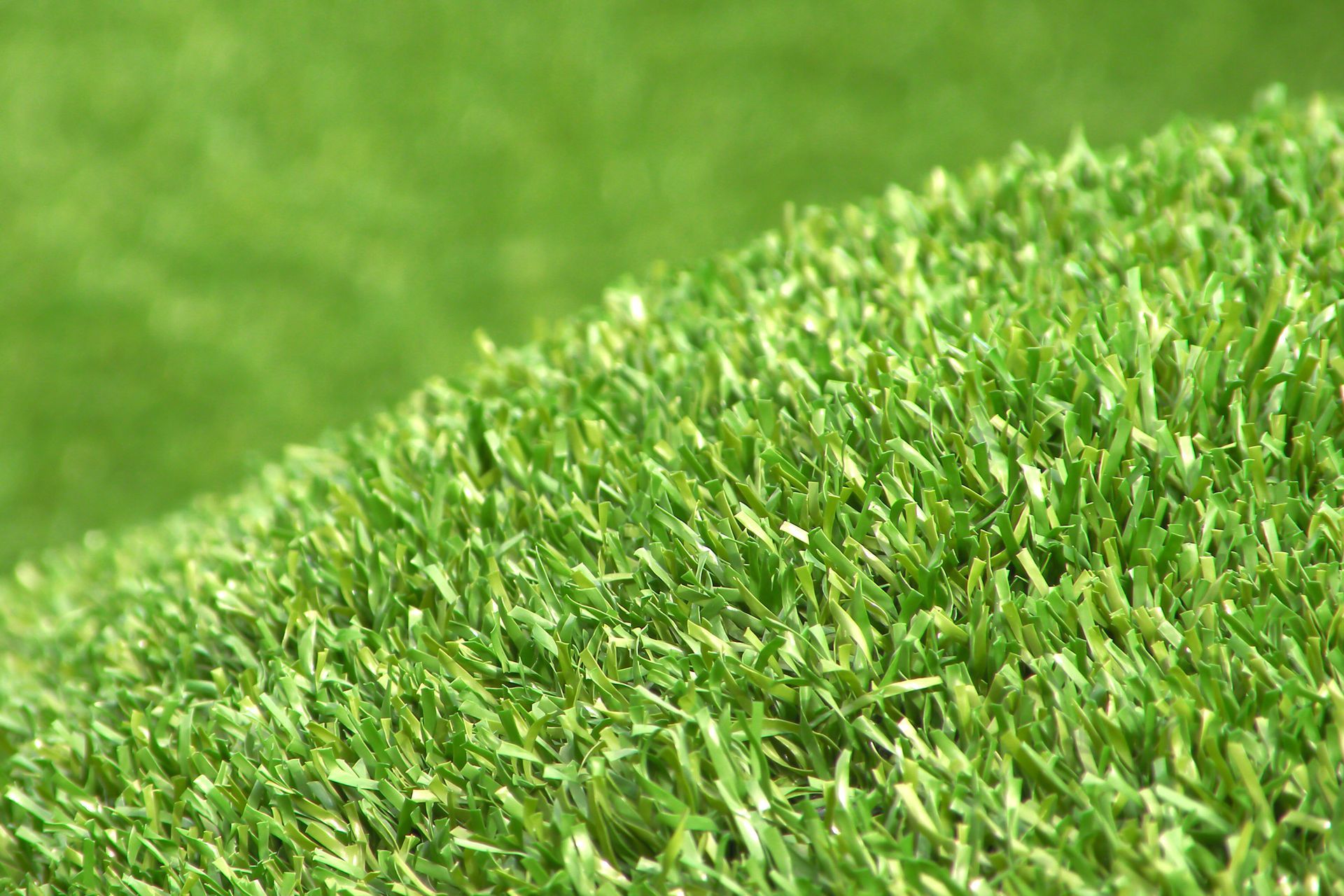
Synthetic turf may suit certain recreational applications, particularly where a softer appearance and different playing experience are desirable. However, turf is not automatically appropriate for every sport. Its suitability depends on the product, installation method, intended activity, and maintenance requirements.
According to Lawn Love, turf face weight describes how many ounces of grass fiber are present per square foot. The typical range is 30 to 90 ounces, while 50 to 80 ounces is recommended for residential lawns. These figures provide context when evaluating turf products, but sports court applications require material specifications suited to athletic use rather than residential landscaping alone.
Consider Player Comfort and Safety
Player comfort influences how enjoyable and practical a sports court will be. Surface firmness, traction, and impact absorption can affect how people move during physical activity. Choosing materials that suit the intended sport helps create a playing environment that feels appropriate for its users.
Cushioned court systems may be worth considering when comfort is an important priority. Depending on their design, these systems can provide additional give compared with traditional hard surfaces. However, cushioning levels and playing characteristics vary, so it is important to discuss the specific product rather than assuming all cushioned surfaces perform identically.
Traction also deserves attention. Players need sufficient grip to accelerate, stop, and change direction without feeling unstable. A surface that is too slippery or offers unsuitable resistance can affect movement and confidence. Material selection should account for the demands of the sport and the conditions in which the court will be used.
Weather exposure can influence safety as well. Rain, standing water, organic growth, and accumulated debris may affect traction and usability. Appropriate drainage and regular cleaning help maintain a safer playing environment.
When planning outdoor sports court construction, ask how the proposed surface balances comfort, traction, and performance. A knowledgeable contractor can explain the characteristics of different systems and help you make a decision that reflects the needs of the people using the court.
Assess Climate and Drainage Needs
Outdoor courts must withstand the environmental conditions surrounding them. Sun exposure, rainfall, temperature fluctuations, and seasonal weather can influence surface performance and durability. Evaluating these factors before installation helps prevent problems that could interfere with long-term use.
Drainage deserves particular consideration because standing water can make a court unusable and contribute to surface deterioration. The court base, surrounding grading, and drainage provisions should work together to direct water away from the playing area. Simply selecting a durable surface will not resolve problems caused by inadequate drainage beneath it.
Sunlight and heat can also affect outdoor materials. Some surfaces may become uncomfortable during hot weather, while others may require specific installation or maintenance practices to preserve their condition.
The surrounding landscape matters, too. Trees may provide shade, but falling leaves, branches, and organic debris can increase cleaning demands. Nearby structures and slopes may affect water movement or influence how the court receives sunlight.
Effective outdoor sports court construction accounts for these environmental details before installation begins. Addressing grading, drainage, exposure, and site conditions early helps create a court that remains more practical and dependable through changing weather.
Plan for Maintenance and Longevity
Every sports court requires some level of maintenance, but the workload varies by material and installation method. Understanding these responsibilities beforehand helps you choose a surface that fits your available time, budget, and expectations.
Hard courts may require periodic cleaning, surface inspections, and repairs to address cracks or coating deterioration. Cushioned systems may have specific care requirements based on their construction. Synthetic turf can require debris removal, brushing, and attention to infill or drainage, depending on the product.
Ask contractors which maintenance tasks are necessary to preserve the surface. Find out what cleaning methods are appropriate, which products should be avoided, and what signs indicate that professional attention is needed. Clear recommendations help prevent accidental damage and support consistent playing conditions.
Long-term durability also depends on installation quality. An unsuitable base, inadequate drainage, or incorrect application can contribute to premature problems regardless of the surface material.
As you evaluate outdoor sports court construction options, consider the total effort required to maintain the finished court rather than focusing exclusively on its initial appearance. Choosing a material that suits your maintenance capabilities can help protect your investment and keep the playing area ready for use.
Establish a Realistic Project Budget
The cost of a sports court depends on several factors, including surface material, site preparation, drainage, accessibility, and installation complexity. Establishing a realistic budget helps you compare proposals fairly and identify which features deserve priority.
Surface pricing should not be the only consideration. A material with a lower initial cost may have different maintenance requirements or performance characteristics than a more specialized system.
Request a detailed estimate that explains the work included in the project. Site preparation, base construction, surfacing, court markings, drainage, and finishing details should be clearly addressed where applicable.
It is also helpful to discuss future maintenance and potential repairs when evaluating costs. These considerations provide a more complete picture of the commitment involved in owning the court.
Successful
outdoor sports court construction starts with clear priorities and informed decisions. By comparing materials, assessing site conditions, and understanding maintenance requirements, you can choose a surface that balances performance, comfort, and value. Contact U.S. Tennis And Recreation today to discuss your project and find a court surface that fits your needs.