October 20, 2026
Pickleball courts need durable surfaces that provide reliable performance in changing weather conditions. Choosing the right turf involves balancing player safety, maintenance requirements, drainage, and long-term costs. Understanding the available options helps property owners create a comfortable, functional playing space that supports year-round recreation.
Choosing the Right Turf for Year-Round Pickleball
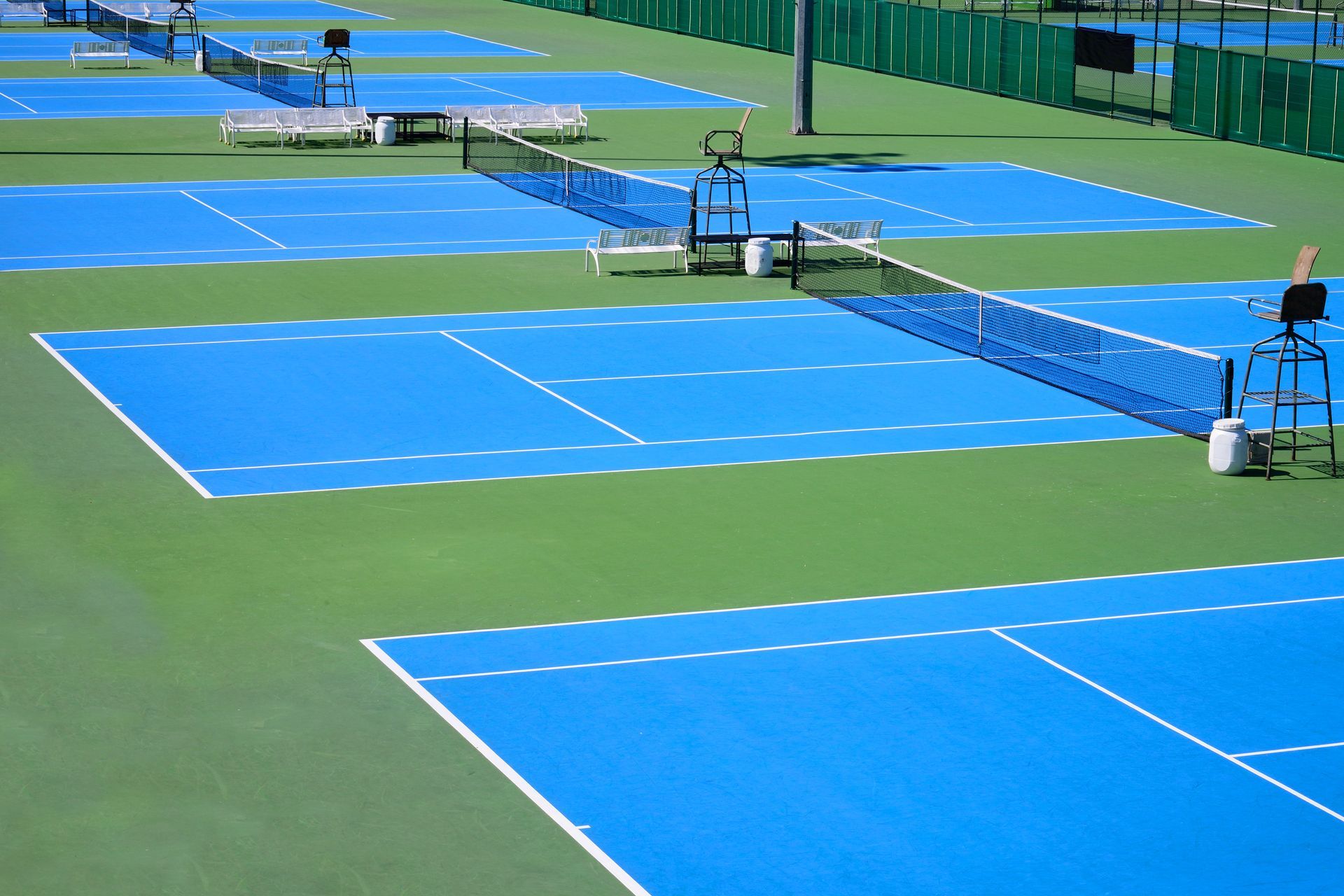
Pickleball courts must withstand changing weather, frequent use, and the quick movements required during gameplay. Choosing an appropriate surface affects player safety, ball response, maintenance needs, and long-term costs. With careful planning, property owners and recreational facilities can create a dependable court that remains functional throughout the year. Professional pickleball court construction services help ensure that surface materials, drainage, and site preparation work together to support consistent performance.
Evaluating Essential Court Requirements
Planning Court Dimensions and Layout
A standard pickleball court measures 20 feet wide and 44 feet long, with additional space needed around the playing area for safe movement. Proper placement allows players to move freely without encountering fences, landscaping, or other obstacles. Site grading, lighting, and drainage should also be considered during planning. Experienced contractors can assess available space and develop a layout that accommodates the court while supporting comfortable, reliable play.
Selecting Suitable Surface Materials
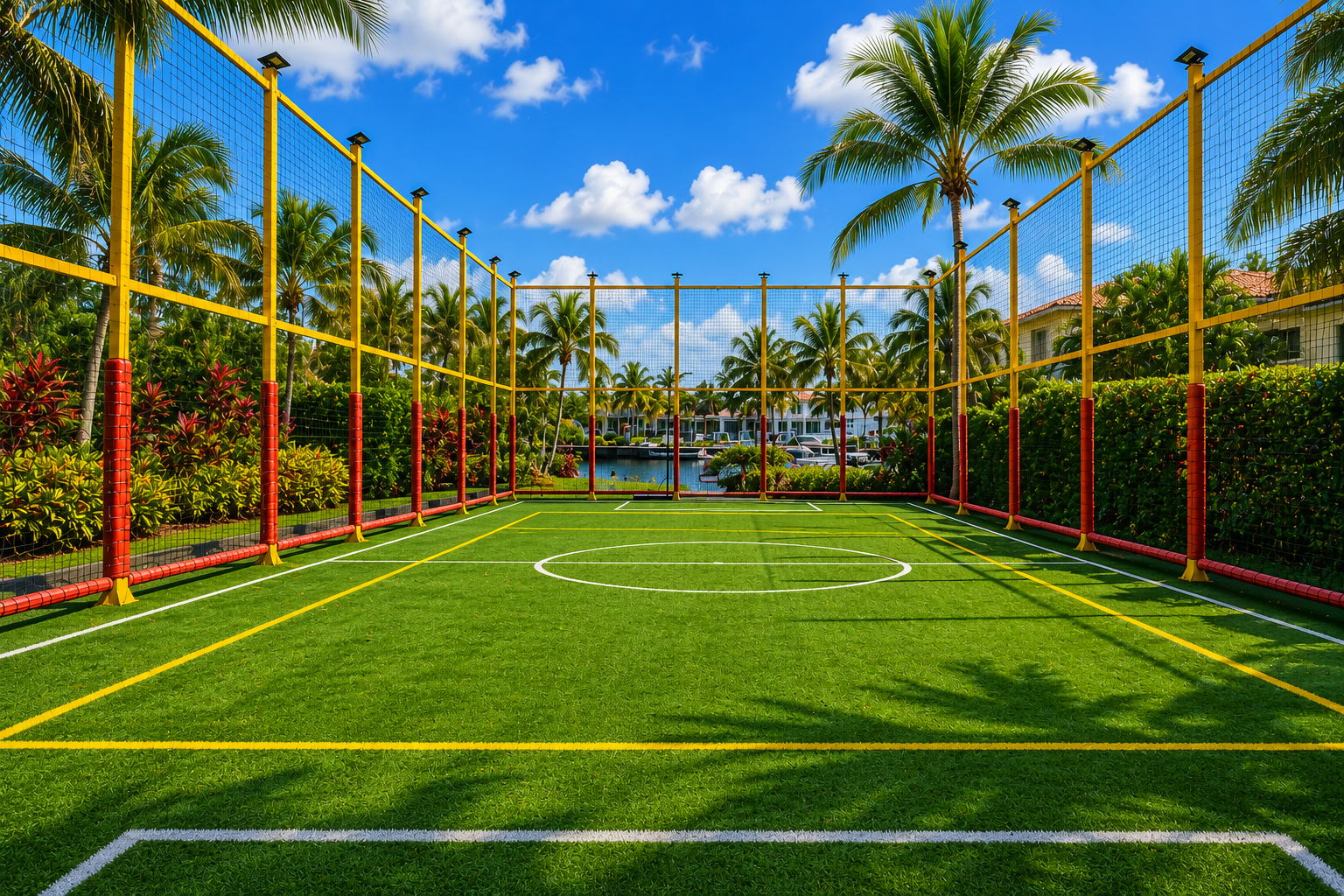
Natural grass provides an attractive appearance but requires regular mowing, watering, and other upkeep. Synthetic turf can reduce some maintenance demands, although its playing characteristics may differ from those of traditional hard courts. The best material depends on climate, expected use, budget, and desired ball response. When comparing pickleball court construction services, property owners should discuss how different surface options affect traction, drainage, durability, and long-term operating expenses.
Prioritizing Player Safety and Comfort
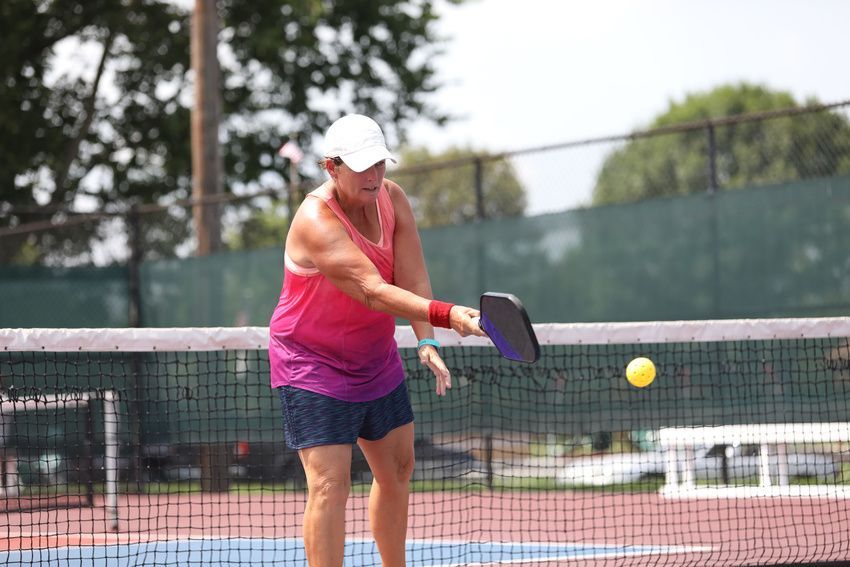
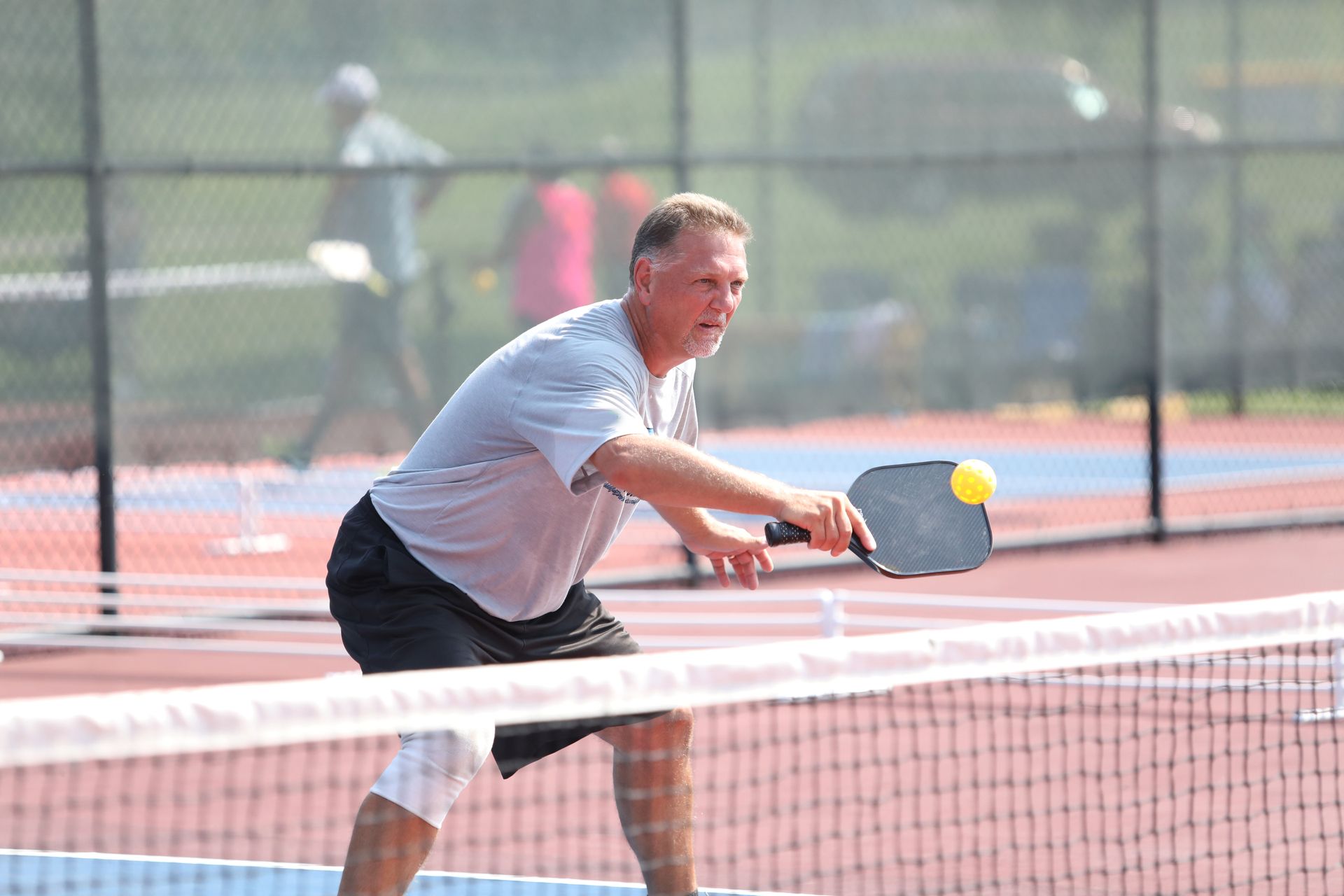
A suitable playing surface should provide consistent footing and minimize hazards caused by uneven areas, standing water, or loose materials. Pickleball involves frequent stops, lateral movements, and sudden changes in direction, making traction particularly important. Surface temperature also matters during hot weather, while adequate drainage helps reduce slippery conditions after rainfall. Professional installation helps address these considerations before they become safety or maintenance concerns.
Balancing Durability and Maintenance
Every surface requires some maintenance, but the amount varies considerably by material and installation quality. Natural grass needs routine irrigation, mowing, and weed control, while synthetic turf requires debris removal and periodic inspections. Court owners should evaluate both initial installation expenses and ongoing care when planning a project. Investing in durable materials and a properly prepared foundation can help minimize premature deterioration and costly repairs.
Comparing Natural Grass and Synthetic Turf
Understanding Natural Grass Benefits
Natural grass creates a traditional outdoor setting and can help absorb rainwater into the ground. Its relatively soft surface may also feel comfortable underfoot. However, grass can become muddy, uneven, or damaged under heavy use, affecting footing and gameplay. Regular maintenance is necessary to preserve surface quality, and wet conditions may prevent play until the court dries. These limitations make natural grass less practical for facilities that prioritize consistent availability.
Assessing Synthetic Turf Advantages
Synthetic turf offers a more uniform appearance and generally requires less watering than natural grass. Depending on its construction, it can provide dependable drainage and withstand repeated use. However, not every synthetic turf product is designed for pickleball, and ball bounce may differ from that of a conventional hard court. Some products also retain considerable heat during summer. Contractors should recommend materials suited to the intended playing experience rather than selecting turf based on appearance alone.
Preparing Courts for Spring and Summer
Reducing Heat and Improving Comfort
High temperatures can make outdoor courts uncomfortable, particularly when surfaces absorb and retain sunlight. Choosing appropriate materials, providing nearby shade, and scheduling play during cooler hours can improve the experience. Some turf products incorporate cooling features, although their effectiveness varies by design and weather conditions. Professional pickleball court construction services can help property owners evaluate surface options and site features that support safer, more comfortable summer recreation.
Managing Irrigation and Seasonal Allergens
Natural grass courts may need additional irrigation during dry periods, but watering schedules should account for local conditions and water availability. Early morning irrigation can reduce evaporation compared with watering during the hottest part of the day. Grass pollen, dust, and surrounding vegetation may also affect players with allergies. Regular cleaning and thoughtful landscape planning can help maintain a more comfortable environment without creating unnecessary maintenance demands.
Protecting Courts During Fall and Winter
Preparing Surfaces for Cold Weather
Freezing temperatures can affect court availability, surface materials, and drainage systems. Frost, ice, and freeze-thaw cycles may create slippery conditions or contribute to cracking in susceptible surfaces. Property owners should follow manufacturer recommendations for winter care and avoid allowing players onto icy courts. Seasonal inspections can identify developing problems before temperatures rise and regular use resumes.
Removing Leaves and Surface Debris
Fallen leaves, twigs, and dirt can reduce traction and interfere with drainage. Removing debris regularly helps preserve the playing surface and reduces the likelihood of slippery patches developing after rain. Protective covers may offer additional benefits when appropriate for the selected surface. A consistent cleaning routine is especially important for courts surrounded by trees or exposed to strong seasonal winds.
Improving Drainage in Wet Conditions
Effective drainage helps prevent standing water, protects the court foundation, and shortens recovery time after rainfall. Proper grading directs water away from the playing area, while suitable drainage systems manage runoff where necessary. Poor drainage can contribute to erosion, surface movement, and premature deterioration. Reliable pickleball court construction services account for soil conditions, slopes, and local rainfall patterns to help create a stable, weather-resistant installation.
Exploring Modern Turf and Surface Technologies
Considering Hybrid Surface Systems
Hybrid systems combine selected characteristics of natural and synthetic materials. Depending on the design, they may offer an appealing appearance while improving durability or reducing certain maintenance requirements. However, these systems are not automatically suitable for every pickleball application. Property owners should confirm that the proposed surface supports appropriate footing, ball response, and weather resistance before committing to an installation.
Evaluating Infill and Surface Treatments
Synthetic turf infill can influence cushioning, stability, drainage, and temperature. Options vary in composition, cost, and environmental impact, so material selection should reflect the court's intended use. Some products incorporate antimicrobial treatments or specialized features intended to simplify cleaning. Contractors should explain the benefits and limitations of these technologies and clarify what maintenance they require over time.
Budgeting for a Long-Lasting Pickleball Court
Estimating Installation and Renovation Costs
Project budgets should account for site preparation, grading, surfacing, drainage, fencing, lighting, and other desired features. According to HomeGuide, backyard renovation costs can vary, with minor projects costing under $10,000 and major upgrades exceeding $150,000. These figures illustrate the wide range of possible renovation expenses rather than the specific price of a pickleball court. Actual costs depend on site conditions, materials, project size, and the scope of construction.
Planning for Long-Term Value
Choosing the lowest initial price may not produce the best long-term value if the surface requires frequent repairs or extensive upkeep. Property owners should compare material warranties, maintenance recommendations, drainage provisions, and expected durability. Clear project specifications also help prevent misunderstandings about what the installation includes. Professional pickleball court construction services provide an opportunity to evaluate these factors together and establish a plan that aligns with the available budget.
Building a Court for Lasting Recreation
Matching Design to Intended Use
Residential courts, community recreation areas, schools, and competitive facilities have different requirements. A backyard court may prioritize appearance and convenient maintenance, while a public facility may need materials that withstand heavier traffic. Considering player needs, local weather, available space, and maintenance resources helps guide decisions. A carefully planned installation can support regular recreation while reducing avoidable surface problems.
Choosing Professional Construction Support
Creating a dependable pickleball court involves more than selecting a surface. Site assessment, grading, drainage, material compatibility, and finishing details all influence the finished result. Working with experienced professionals helps ensure that these elements are considered as part of one coordinated project. U.S. Tennis And Recreation can help property owners explore pickleball court construction services suited to their space, goals, and budget. With informed planning and appropriate materials, a pickleball court can provide an enjoyable recreational space across multiple seasons.