July 18, 2026
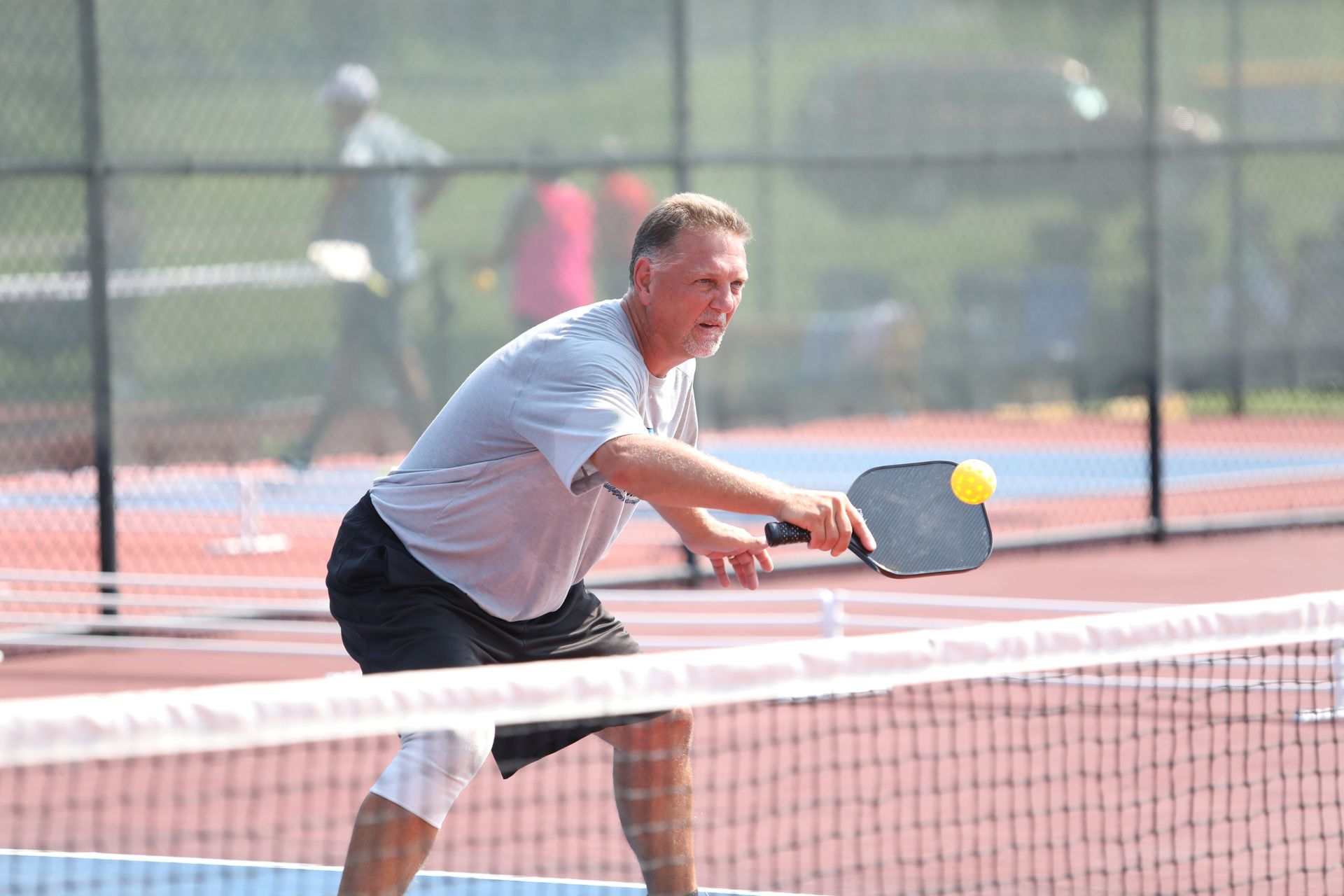
Pickleball has rapidly evolved from a niche recreational activity into one of the most popular sports in the country. Communities, schools, parks, private clubs, and residential property owners are increasingly investing in dedicated courts to accommodate growing interest. As participation expands, players are becoming more aware of the factors that influence their experience on the court. While skill level and equipment certainly play important roles, the design and quality of the playing environment can significantly affect both enjoyment and performance.
A player-friendly court does more than simply provide a place to play. It creates an environment where athletes can move confidently, react naturally, and enjoy consistent gameplay. Every detail, from the playing surface to the surrounding layout, contributes to the overall experience. Whether the court is intended for recreational matches, organized leagues, or competitive tournaments, thoughtful design helps maximize player satisfaction.
The sport’s popularity continues to fuel demand for high-quality facilities. According to Lawn Love, approximately 19.8 million people participated in pickleball throughout the United States in 2024, representing a remarkable 311% increase over the previous three years. With more players entering the sport each year, expectations for court quality continue to rise.
Professional pickleball court construction focuses on creating facilities that combine functionality, safety, and long-term performance. Several key features consistently distinguish courts that players enjoy using from those that fall short of expectations.
1. Supporting Safe Footing
Safety is one of the most important considerations in court design. Pickleball requires constant movement, including quick starts, sudden stops, lateral shifts, and rapid changes in direction. Players need confidence that the surface beneath them will provide reliable traction throughout every point.
A court that offers a consistent grip allows athletes to move naturally without worrying about slipping. At the same time, the surface must avoid excessive roughness that can place unnecessary stress on joints and muscles. Achieving the proper balance helps support player comfort while promoting safe movement patterns.
Surface consistency is equally important. Variations in texture or condition can create unpredictable footing that disrupts gameplay and increases risk. A properly designed court provides a uniform playing experience across the entire surface, allowing players to react confidently regardless of their position on the court.
Experienced professionals understand how material selection, preparation techniques, and finishing processes contribute to overall safety. Careful attention during pickleball court construction helps create a playing environment that supports confident movement while reducing common concerns associated with slips and instability.
2. Supporting Consistent Ball Response
One of the defining characteristics of a quality pickleball court is predictable ball behavior. Players rely on consistent bounce patterns to anticipate shots and execute effective strategies. When the ball responds uniformly throughout the playing area, rallies become smoother and more enjoyable.
Inconsistent surfaces can create frustrating situations where identical shots produce different results. Even minor imperfections may alter bounce characteristics enough to affect gameplay. Such inconsistencies can diminish the competitive experience and make skill development more difficult.
A properly designed court promotes fairness by ensuring that ball response remains predictable from one side of the court to the other. Players appreciate knowing that outcomes are determined primarily by technique and decision-making rather than by unexpected surface irregularities.
Quality pickleball court construction emphasizes precision throughout every stage of development. Proper grading, preparation, and surfacing help establish the uniform conditions necessary for dependable ball performance.
Courts that deliver consistent bounce characteristics create a more enjoyable experience for beginners and advanced players alike. The result is a playing environment that encourages improvement while supporting fair competition.
3. Supporting Comfortable Movement
Comfort is often overlooked when discussing court design, yet it plays a significant role in player satisfaction. Pickleball involves repetitive movement patterns that place demands on the body over the course of a match. Courts designed with comfort in mind help reduce fatigue and support extended play.
A well-designed surface allows players to move efficiently without feeling excessive impact during routine actions. Comfortable movement encourages participation and can make the sport more accessible to individuals with varying athletic backgrounds.
Court layout also influences overall comfort. Adequate space within the playing area allows participants to move freely while pursuing shots. Players should never feel restricted by design limitations that interfere with natural movement.
Professional pickleball court construction considers how athletes interact with the court during every phase of play. By creating an environment that supports comfortable movement, facilities can appeal to a broader range of players and encourage regular use.
4. Supporting Clear Visibility
Visibility is a critical component of player-friendly design. Pickleball often involves quick exchanges and rapid ball movement, making visual clarity essential for successful gameplay. Players must be able to track the ball easily while remaining aware of boundaries and court positioning.
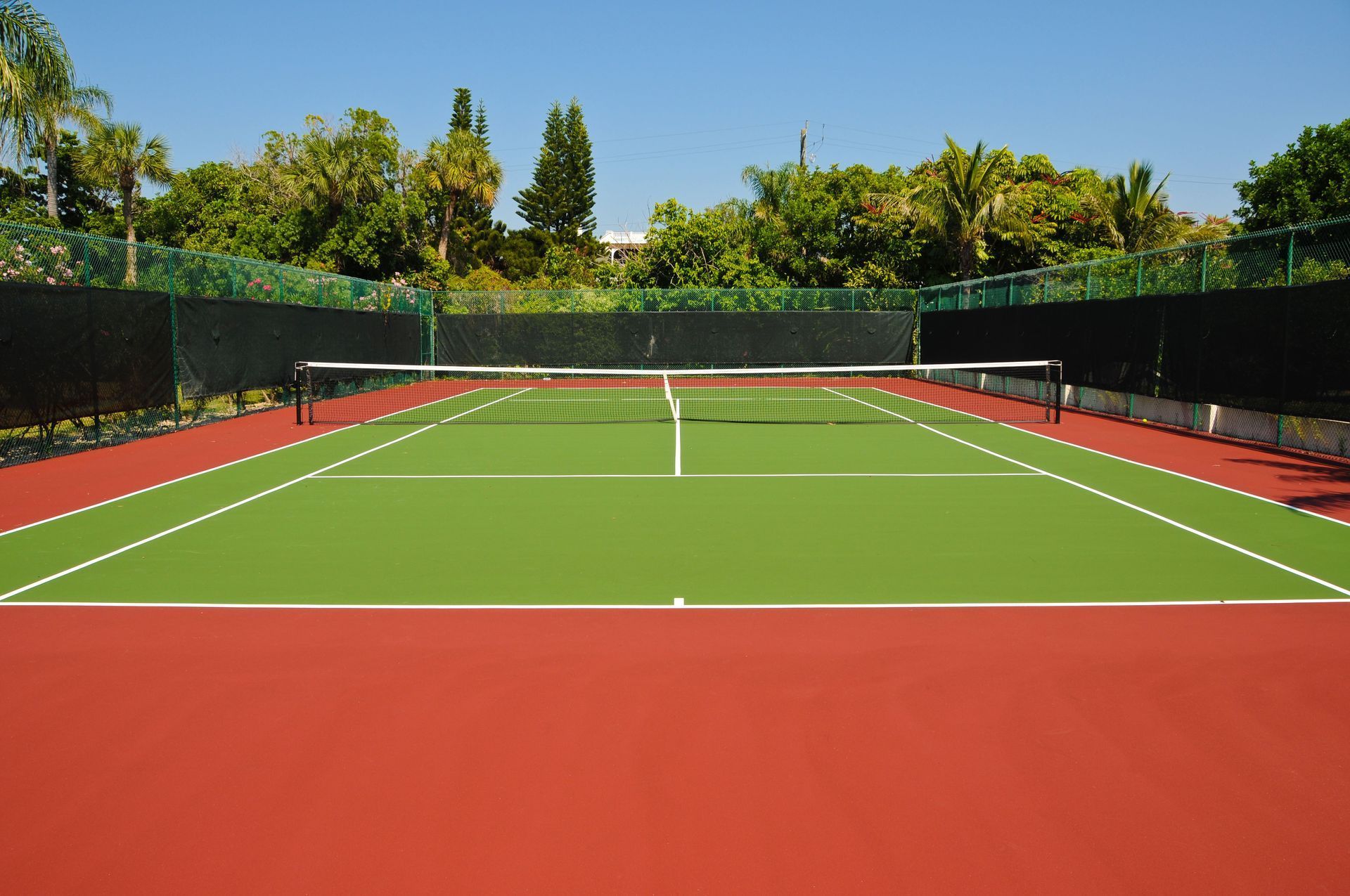
Well-defined court markings help eliminate confusion during matches. Clear lines allow players to make accurate judgments regarding shot placement and court awareness. Strong visual contrast between playing areas and boundary markings enhances visibility without creating distractions.
Surrounding conditions also influence how easily players can follow the action. Thoughtful design helps minimize visual clutter that could interfere with concentration. A clean and organized appearance contributes to a more professional and enjoyable environment.
Effective pickleball court construction incorporates visibility considerations from the earliest planning stages. Color selection, surface treatments, and overall layout all contribute to creating a court that supports player focus.
5. Supporting Adequate Playing Space
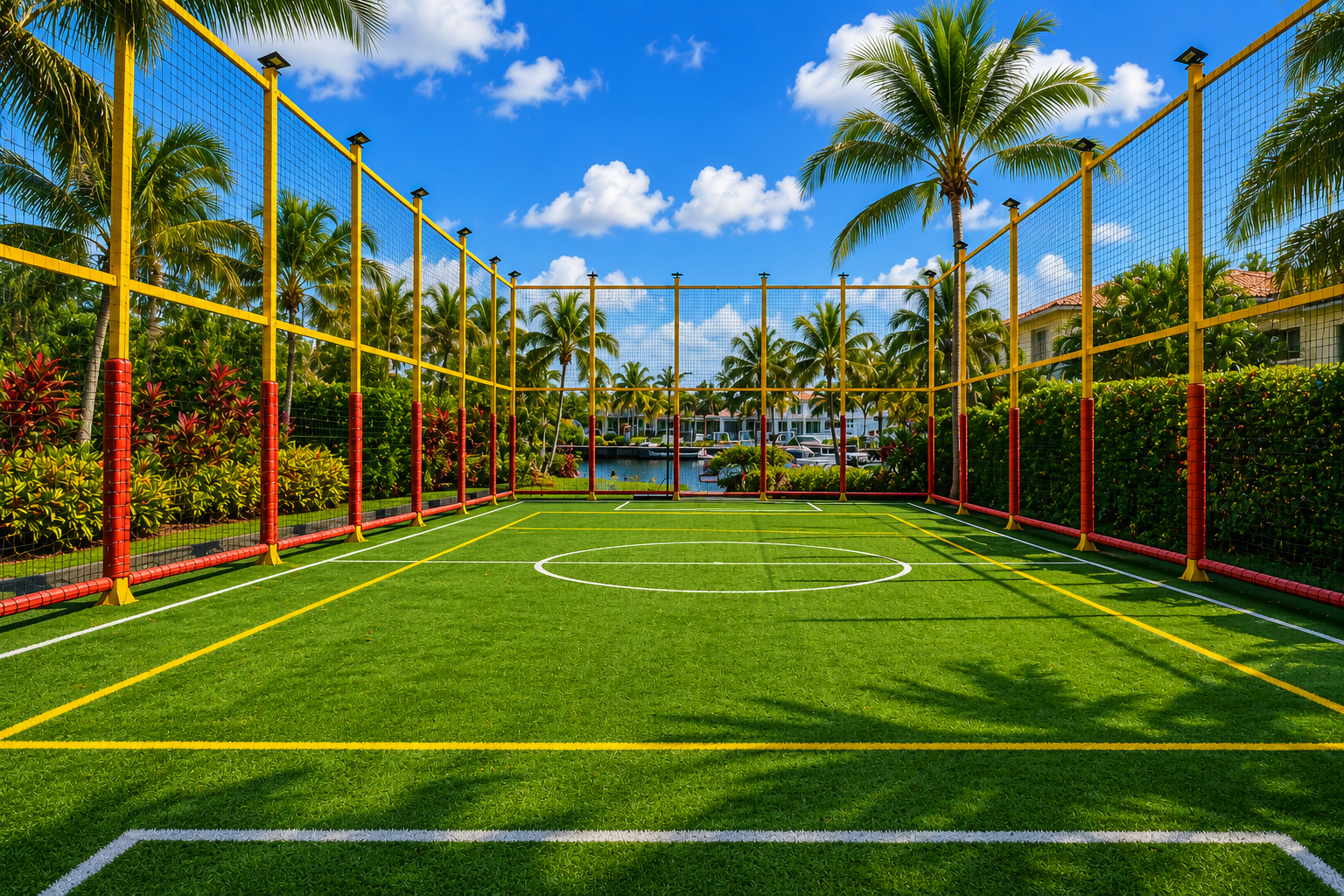
The area surrounding the court plays a major role in functionality. While the playing surface receives much of the attention, the surrounding space contributes significantly to safety and performance. Players frequently move beyond court boundaries while attempting difficult shots, making adequate clearance essential.
A spacious layout allows participants to pursue the ball without encountering obstacles or feeling restricted. This freedom enhances both recreational and competitive play by supporting natural movement patterns during rallies.
Additional surrounding space also improves the overall atmosphere of the facility. Spectators, waiting players, and event organizers benefit from an environment that feels open and organized rather than crowded and congested.
Successful pickleball court construction addresses not only the court itself but also the broader layout of the facility. Proper spacing creates a more comfortable and professional setting that accommodates the needs of everyone using the venue.
6. Supporting Convenient Amenities
Beyond the playing surface, amenities contribute significantly to the overall player experience. Facilities that include thoughtful conveniences often attract greater participation and encourage longer visits.
Comfortable seating areas provide opportunities for rest between matches. Gathering spaces help foster social interaction, which remains one of the sport’s most appealing aspects. Players appreciate environments that support both competition and community engagement.
Accessibility is another important consideration. Easy navigation throughout the facility helps ensure that players and visitors can move comfortably between various areas. Well-organized layouts contribute to a positive first impression while enhancing overall convenience.
Modern pickleball court construction often includes features designed to improve comfort and usability. These additions help transform a court from a simple recreational asset into a destination where players enjoy spending time.
7. Supporting Long-Term Durability
Durability is essential for maintaining a consistently positive player experience. Courts that withstand regular use and environmental exposure continue to provide reliable performance over time. Long-lasting facilities benefit both operators and players by reducing disruptions associated with repairs and deterioration.
A durable court maintains its appearance, functionality, and safety despite ongoing activity. Players appreciate facilities that remain in excellent condition because predictable performance contributes to enjoyable gameplay.
Durability also supports long-term value. Investing in quality materials and professional installation helps preserve court integrity while minimizing maintenance concerns. Facilities that remain attractive and functional continue serving their communities for years to come.
Experienced professionals understand the importance of balancing immediate performance with lasting reliability. Comprehensive pickleball court construction focuses on creating courts capable of delivering consistent results throughout their lifespan.
Player-friendly pickleball courts are the result of thoughtful planning, quality materials, and professional execution. Features such as safe footing, consistent ball response, comfortable movement, clear visibility, adequate playing space, convenient amenities, and long-term durability all contribute to a superior playing experience.
As pickleball continues to grow in popularity, expectations for court quality will continue to increase. Facilities that prioritize player needs create environments where athletes can compete, socialize, improve their skills, and fully enjoy the game.
If you are planning a new court project or upgrading an existing facility, contact U.S. Tennis And Recreation to learn how we can help create a court designed to maximize player satisfaction and long-term performance.