February 12, 2026
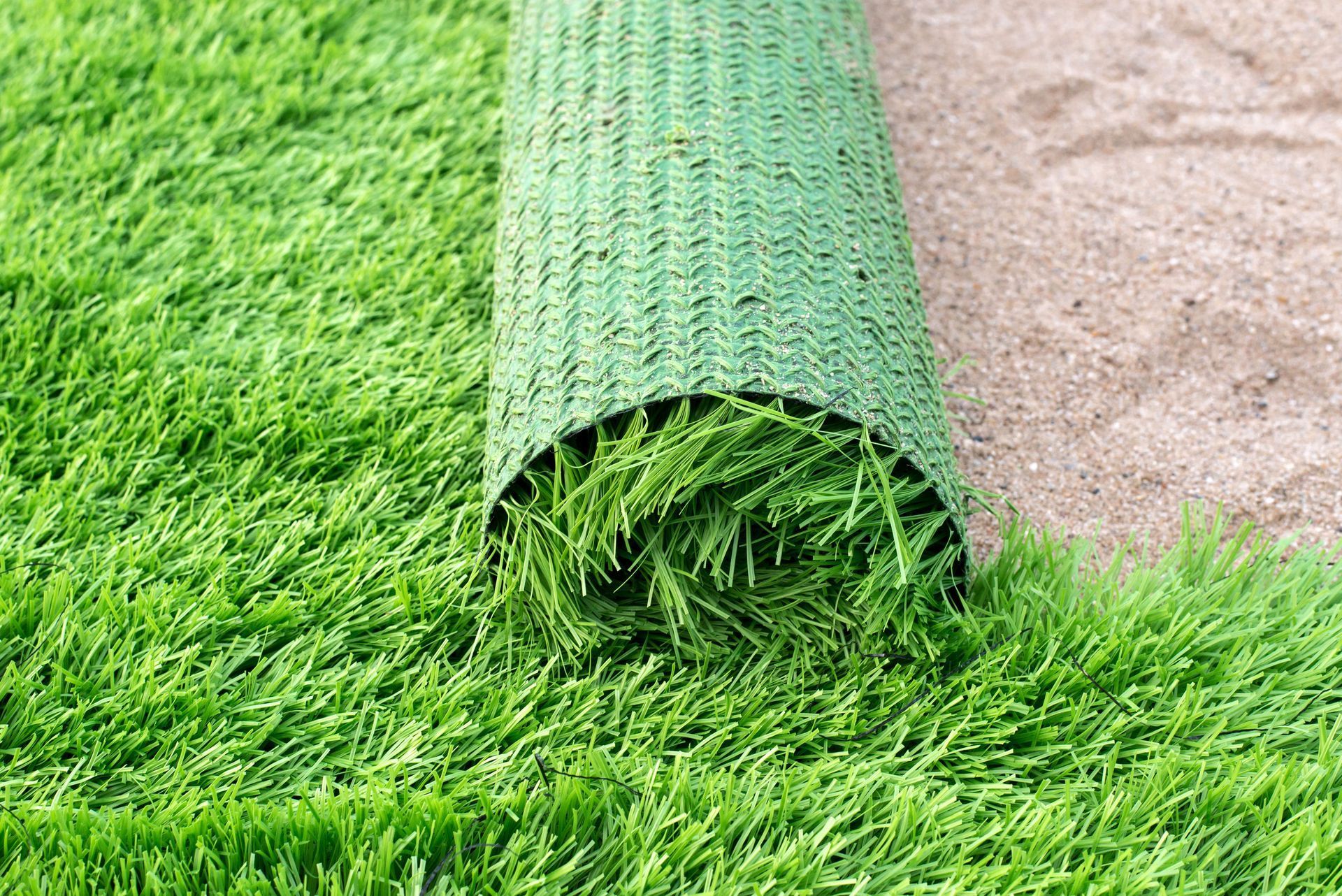
Artificial turf has been subject to many myths and misconceptions over the years. This article seeks to debunk common myths about artificial turf installation, addressing common concerns and providing clear, factual information. As more homeowners and sports facility managers consider artificial options for their lawns and playing fields, it is crucial to understand both the benefits and the drawbacks of this modern solution. The following sections will provide insights backed by research and expert opinions to help demystify artificial turf.
1. Is Artificial Turf Environmentally Friendly?
1.1. Understanding the Eco-Footprint
Artificial turf is often criticized for its environmental impact, but understanding its full eco-footprint can reveal a more balanced picture. Initially, the production of synthetic materials does involve energy and resource consumption. However, this impact is often offset by the reduced need for water, fertilizers, and pesticides over the turf's lifespan. According to HomeGuide, artificial turf typically lasts between 15 and 25 years and requires minimal maintenance, which factors into its long-term sustainability benefits.
To further explore its eco-footprint, consider the recycling and reuse options available at the end of the turf's life. Many manufacturers now offer recycling programs and design turf that incorporates recycled materials. This end-of-life recycling is crucial for minimizing the environmental impact and contributes positively to the eco-cycle. While no product is entirely without environmental impact, continuous innovations in artificial turf aim to reduce its ecological footprint.
In comparison to a natural grass lawn, artificial turf requires less day-to-day management and resource use. Traditional lawns often need considerable amounts of water, which is a major environmental concern in areas prone to drought. By opting for artificial turf installation, property owners can significantly reduce their water usage, making artificial turf an environmentally friendly option in this regard. Consequently, this reduces not only water bills but also the strain on local water supplies.
1.2. Comparison with Natural Grass
When considering artificial turf installation, a key comparison is its performance against natural grass. Natural grass does offer benefits such as carbon absorption and cooling effects, but it also demands high maintenance. This includes regular mowing, periodic fertilization, and substantial watering, contributing to carbon emissions and environmental degradation. In contrast, artificial turf eliminates the need for these maintenance practices, providing a more sustainable option over time.
Despite its advantages, it is essential to consider the heat retention of artificial turf as opposed to natural grass. Natural grass tends to stay cooler due to its transpiration process, whereas synthetic turf can become quite warm, especially on sunny days. However, advancements in turf technology are addressing these issues, with newer surfaces designed to be more heat-resistant. This innovation helps to bridge the gap between artificial and natural surfaces, offering a feasible alternative for lawn care.
Moreover, artificial turf installation can handle more wear and tear than natural grass, making it an attractive option for high-traffic areas. While natural grass may require frequent replacement or reseeding, synthetic turf remains uniform and vibrant throughout its lifespan. This durability plays a pivotal role for sports fields and public parks, where heavy use is a constant reality. As a result, artificial turf can be seen as a forward-thinking choice for both commercial and residential spaces.
2. Does Artificial Turf Affect Property Value?
2.1. Curb Appeal and Market Trends
The impact of artificial turf on property value is a topic of considerable interest among homeowners and real estate professionals alike. With an increasing number of people valuing sustainable and low-maintenance solutions, properties with artificial turf installations have become more attractive. Lush green aesthetics, even in off-peak growing seasons, enhance curb appeal, which often increases buyer interest and property value. Attractive, consistent landscaping can make a compelling first impression.
Market trends indicate a growing acceptance and popularity of artificial turf, particularly in areas where environmental conditions make natural lawns impractical. Prospective buyers are often drawn to the idea of a beautiful lawn that requires less time and money to maintain. Homes featuring artificial turf can command a premium due to the long-term cost savings on lawn care, water, and time conservation. As a result, savvy investors recognize the value of artificial solutions in today's competitive real estate market.
While some may perceive artificial turf as less prestigious than natural grass, the consistent beauty and practicality it offers have shifted this perception. Increasingly, buyers are looking for homes that align with contemporary lifestyles, emphasizing efficiency and convenience. Moreover, synthetic lawns can be custom designed and installed to enhance property features, creating unique and personalized landscapes. Therefore, artificial turf installations contribute positively to overall property appeal and, potentially, market value.
2.2. Longevity and Maintenance Costs
Another critical factor influencing property value is the longevity and maintenance cost of the landscaping. Artificial turf installations surpass natural lawns in these areas by offering longevity and reduced maintenance. As previously mentioned, artificial turf lasts between 15 and 25 years, far exceeding the lifespan of natural grass. This durability ensures homeowners receive sustained value from their investment, which is appealing when deciding to sell a property.
Beyond its longevity, the low maintenance of artificial turf translates to long-term cost savings, contributing to property value. Homeowners are relieved from the expenses associated with watering, mowing, and treating natural grass, as synthetic turf requires minimum upkeep. The financial benefits of reduced maintenance are not lost on potential buyers, who may view artificial turf as an opportunity for cost-effective homeownership. This factor can play a decisive role in evaluating property worth.
Furthermore, the negligible maintenance requirements of artificial turf provide more free time to homeowners. This benefit is increasingly being valued, especially by those with busy lifestyles who seek convenience without sacrificing aesthetics. For sellers, presenting a property with attractive, low-maintenance landscaping can be a unique selling proposition. Accordingly, artificial turf can enhance a property's appeal and, subsequently, its market value.
3. Safety Concerns for Children and Pets
3.1. Material Safety Standards
Safety is a paramount concern for families considering artificial turf installations, especially for areas frequently used by children and pets. The safety standards for modern artificial turf undergo rigorous testing to meet stringent health and environmental criteria. Manufacturers use materials that are free from heavy metals and toxic chemicals to ensure a safe playing surface. These industry standards are constantly reviewed and updated, reflecting a commitment to consumer safety.
In recent years, advancements in technology have improved the safety of artificial turf significantly. Many artificial turf products now boast hypoallergenic properties and antimicrobial infill, promoting hygienic and safe environments. These features not only ensure the wellbeing of those using the space but also reinforce the safety credentials of artificial turf installations. Therefore, understanding and adhering to top safety standards are integral to addressing any safety myths.
3.2. Heat Retention Issues
One challenge associated with artificial turf is its tendency to retain heat, which can be a concern during the warmer months. Unlike natural grass, the synthetic material can become warmer under direct sunlight, potentially making the surface uncomfortable to touch. However, technological improvements continue to address these heat retention issues, with solutions such as heat-resistant coatings and specialized infill materials. These innovations mitigate heat buildup, making the surface more comfortable during hot weather.
Educating users about proper management techniques for heat retention further protects children and pets. Hydration measures, such as spraying the turf with water, can significantly reduce surface temperatures. Additionally, timing activities to avoid peak sun hours further lessens exposure to heat. Awareness of these management practices enables families to create safe environments for play while enjoying the benefits of artificial turf installations.
This article has addressed and debunked common myths surrounding artificial turf installation . By examining environmental impact, property value effects, safety, costs, and durability, we hope to provide a balanced view, allowing informed decisions about artificial turf. Advancements in technology continue to improve the sustainability, safety, and aesthetic appeal of artificial lawns. As consumers become more informed, they are empowered to make choices that align with both personal preferences and broader environmental considerations.
The insights shared here challenge preconceived notions, unveiling the practical realities of artificial turf use. Embracing this modern solution offers tangible benefits while aligning with contemporary eco-conscious lifestyles. Artificial turf remains a viable option for those seeking long-lasting, low-maintenance landscaping solutions. Moving forward, continuous improvements in artificial turf technology will further enhance its reputation, fostering wider acceptance and use. Reach out to U.S. Tennis And Recreation today to see what we can do for you!